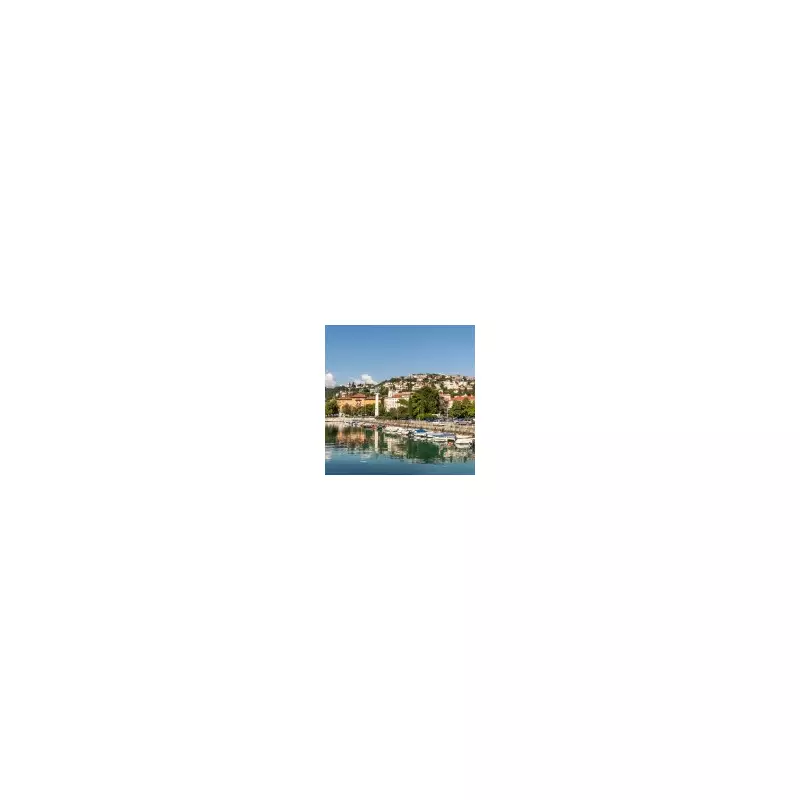
British travellers searching for their 2026 holidays are setting their sights on a stunning but often overlooked Croatian port city, according to new data. Skyscanner reports that interest in Rijeka, the European Capital of Culture for 2020, has skyrocketed by an impressive 75%.
Why Rijeka is Croatia's Rising Star
Dubbed a 'rising star on the Adriatic' by the travel platform, Rijeka offers a compelling alternative to Croatia's more crowded hotspots like Dubrovnik and Split. This third-largest Croatian city, nestled in Kvarner Bay, serves as a gateway to idyllic islands and boasts sparkling cobalt waters, a rich history, and a dynamic arts scene.
Accessibility has received a major boost with Rijeka now being a stop on the new Adriatic Express train. This Polish Railways sleeper service provides a direct link from Warsaw to the Croatian coast, opening up a scenic new route for European travellers.
Exploring the City: Castles, Culture and Coastal Walks
Dee Momi, a superyacht worker familiar with the city, describes Rijeka as a 'buzzy' destination that retains a strong local identity. Her top recommendation is the 13th-century Trsat Castle, a free-to-enter medieval fortress offering panoramic views over the Rječina River and the Adriatic Sea.
The social heart of the city is the Korzo Promenade, home to the iconic Clock Tower and perfect for leisurely strolls. Just a short walk away, the historic Old Town features narrow cobblestone streets winding past Roman ruins and Austro-Hungarian architecture.
History enthusiasts should not miss the Rijeka Tunnel, a former World War Two air raid shelter extending beneath the Old Town, which can be explored for just €1.50 (approximately £1.32).
A Hub for Arts, Music and Island Hopping
Rijeka's cultural credentials are robust. As the birthplace of Croatian punk, its music scene remains vibrant, with venues like Crkva nightclub and the unique Tunel Music Bar, set in a ruin beneath the railway. The city also transforms former industrial sites into trendy art spaces, such as the Filodrammatica Gallery.
The city is an ideal base for exploring the region. Day trips to the luxurious resort of Opatija (30 minutes by car) or Krk Island, Croatia's largest island (around 50 minutes via the Krk Bridge), are highly recommended. The city's food scene marries Croatian tradition with Italian influence, featuring fresh seafood, hearty meats, and eight Michelin-listed restaurants, including the acclaimed Hidden Wine Bistro.
Planning Your Visit: Flights, Weather and Carnival
For UK travellers, getting to Rijeka is straightforward with direct flights. Skyscanner identifies June and July as the cheapest months to fly, with one-way fares from London Stansted starting from as little as £36 on airlines like Ryanair.
The optimal times to visit for good weather without the peak crowds are May, June, and September, when temperatures sit comfortably between 22°C and 26°C. July and August are hotter (up to 29°C) but busier. For a unique cultural experience, consider visiting between January and March for the famous Rijeka Carnival, Croatia's largest, where temperatures range from 9°C to 12°C.
Overall, Rijeka presents a captivating blend of relaxed coastal charm, profound history, and contemporary culture, positioning itself as a must-visit hidden gem for the discerning British traveller in 2026.