
Tragedy Strikes in Patagonia's Crown Jewel
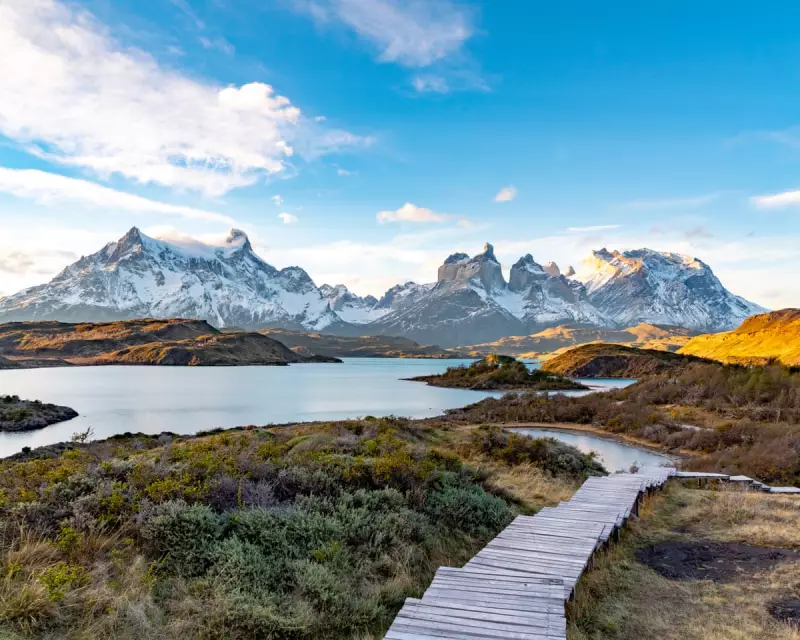
A devastating blizzard in southern Chile has claimed the lives of five tourists, including a British woman, in one of Patagonia's most spectacular natural reserves. The tragedy unfolded at the renowned Torres del Paine national park, where nine visitors went missing during extreme weather conditions that saw winds reaching 120 miles per hour and heavy snowfall.
Desperate Search and Rescue Mission
Emergency services launched a major operation involving 24 rescue specialists from police, military and mountain rescue teams, supported by a search dog. However, the severity of the weather prevented helicopter assistance, critically hampering rescue efforts. Guillermo Ruiz, presidential delegate for Ultima Esperanza province, revealed the tourists had become lost near the remote Los Perros camp, accessible only by a four to five hour trek from the nearest vehicle access point.
Despite the challenging conditions, rescue teams managed to locate and save four individuals alive from the mountainous terrain. The confirmed fatalities include two Mexican nationals, two German citizens and the British woman, whose identity is yet to be formally confirmed by authorities.
Aftermath and International Response
Chilean officials have initiated evacuation and consular procedures while awaiting improved weather conditions to airlift the victims' bodies. José Antonio Ruiz, presidential delegate of the Magallanes region, emphasised their commitment to supporting the affected families during this difficult process.
Chilean President Gabriel Boric expressed his condolences to the victims' families, describing the incident as a "tragedy" and praising rescue teams who had "worked tirelessly from the very beginning". A Foreign, Commonwealth and Development Office spokesperson confirmed they were "in contact with local authorities" following the incident.
The tragedy has cast a shadow over one of South America's premier tourist destinations. Recent figures show Torres del Paine attracted more than 367,000 visitors in 2024, representing an increase of nearly two-thirds compared to the previous year. The park's dramatic landscapes featuring mountains, glaciers and rivers typically experience their busiest season during the southern hemisphere summer between December and February.




