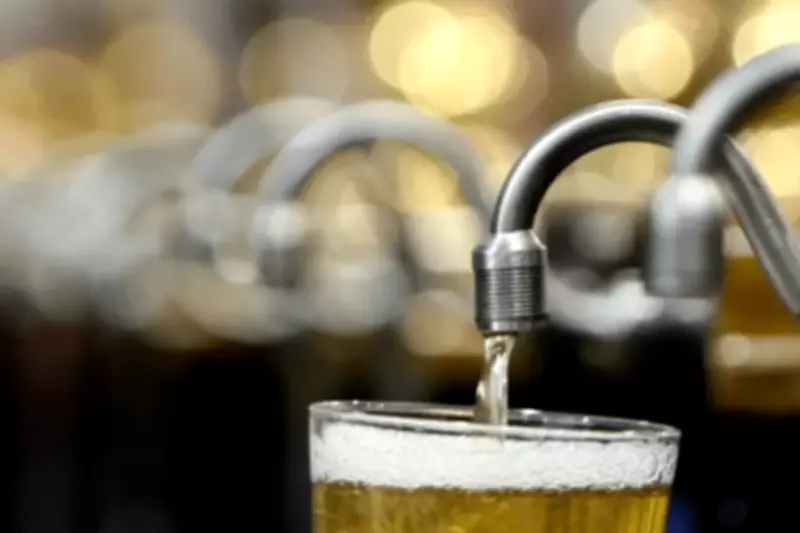
It was a remarkably warm 17 degrees Celsius in London's Square Mile yesterday, enticing crowds to enjoy a sunny lunchtime pint. However, across other regions of the United Kingdom, the hospitality sector remains trapped in a harsh winter of discontent. A wave of devastating news emerged from Cornwall yesterday, underscoring the severe challenges facing pubs and breweries nationwide.
Sharp's Brewery Closure Sends Shockwaves
The day began with the confirmation that Sharp's Brewery, based in Wadebridge, Cornwall, will be shut down by its American parent company, Molson Coors. This iconic brewer, famous for its Doom Bar and other traditional cask ales, was acquired in 2011 and celebrated three decades of operation in 2024. Unfortunately, the owners declared the site is no longer "financially sustainable."
Molson Coors has stated it remains committed to the Sharp's brand and is investigating "alternative production routes." Yet, this assurance offers little comfort to industry advocates. Tom Stainer, head of the Campaign for Real Ale, responded forcefully, saying, "Trying to produce iconic Cornish beers outside of the Duchy would be a disgrace." The closure threatens up to 200 jobs and reflects a broader, tumultuous period for the brewing and pub industry.
Pub Closures Accelerate Across Cornwall
Simultaneously, four beloved Cornish pubs announced their permanent closure. The Pityme Inn, the Lugger in Polruan, Padstow's London Inn, and Port Isaac's Golden Lion—all owned by St Austell Brewery but managed by another firm—have shut their doors following an exceptionally difficult winter season.
Jason Black, who operated these pubs, informed staff that they had collectively navigated numerous crises, including the COVID-19 pandemic, lockdowns, supply chain disruptions, soaring energy costs, minimum wage increases, and relentless cost pressures. However, he emphasized that "winter trading has continued to impact cash flow and there is not enough capital left to continue safely and responsibly."
Government Policies Under Fire
This narrative is becoming all too familiar across the United Kingdom. While the scale of pub closures in recent years cannot be attributed solely to the current government, many industry experts argue that its policies often serve as the final blow. There is a growing perception of governmental indifference toward the hospitality sector's struggles, which many find difficult to accept.
Compounding this sentiment, Alex Depledge, the government's entrepreneurship adviser, remarked this week, "We don't need any more restaurants...I'm not anti-hospitality, but that's not where my efforts are." This statement has been interpreted as a clear signal of misplaced priorities, further alienating business owners in the sector.
Broader Industry Trends and Statistics
The hospitality crisis extends beyond individual closures. According to industry trade associations, an average of three breweries ceased operations each week throughout 2025. Pub closures, while more visible to the public, are merely the tip of the iceberg, with underlying financial strains crippling both brewing and retail operations.
As the sector grapples with these challenges, the future of traditional British pubs and local breweries hangs in the balance. The loss of iconic establishments like Sharp's Brewery and historic Cornish pubs represents not just economic damage but a cultural erosion that resonates deeply within communities.