
A remarkable new walking trail has opened in northern New South Wales, offering hikers the rare opportunity to follow ancient Indigenous pathways that have been used for thousands of years. The Gidjuum Gulganyi Walk, which translates to 'Old People's track', represents a significant collaboration between Aboriginal traditional owners and conservation authorities.
Connecting with Ancient Pathways
Bundjalung man Ashley Moran, who chairs the Widjabul Wia-bal Gurrumbil Aboriginal Corporation, has been instrumental in developing the trail since 2018. Moran vividly recalls his first journey along the route in 2020, when it was merely marked by pink ribbons through dense rainforest. His personal connection to the land runs deep, as the southern section of the track traverses his ancestral Widjabul Wia-bal country, while the Minjungbal people are custodians of the northern section.
The 42-kilometre multiday hike largely follows traditional walking trails that skirt the southern rim of the Tweed Caldera, created when the massive Wollumbin volcano (formerly Mount Warning) erupted 23 million years ago. Only 19 kilometres of the route features completely new trail construction, minimising environmental impact while preserving historical pathways.
Cultural Significance and Ground Truthing
Moran's role involved crucial 'ground truthing' work, ensuring that proposed routes wouldn't negatively impact significant Aboriginal sites. Working alongside the NSW National Parks and Wildlife Service and track builders from local areas and Tasmania, the team carefully assessed the landscape. Several routes were altered to protect cultural sites, ensuring they remain at a safe distance from the main trail to prevent accidental disturbance.
These ancient pathways served as vital transportation networks for the Bundjalung nation, with Moran explaining they were 'like the highways we have today'. For thousands of years, various clan groups used these trails to access coastal food resources in summer, journey to the significant Wollumbin site, and follow seasonal indicators in nature for ceremonies and resource gathering.
Revitalising Culture and Country
Initially cautious about the impact on traditional lands, the Widjabul Wia-bal community now sees the walk as an opportunity for cultural and economic development. New cultural tourism experiences with Indigenous guides are being developed at Minyon Falls, scheduled to open by the end of 2026. There are also plans for traditional custodians to take over trail maintenance and operate supporting businesses.
The NSW National Parks and Wildlife Service is collaborating with native title holders to develop cultural interpretation signage, expected to be installed before June 2026. Moran emphasises that this isn't just a tourist trail but an educational opportunity to appreciate what this country means to its traditional owners.
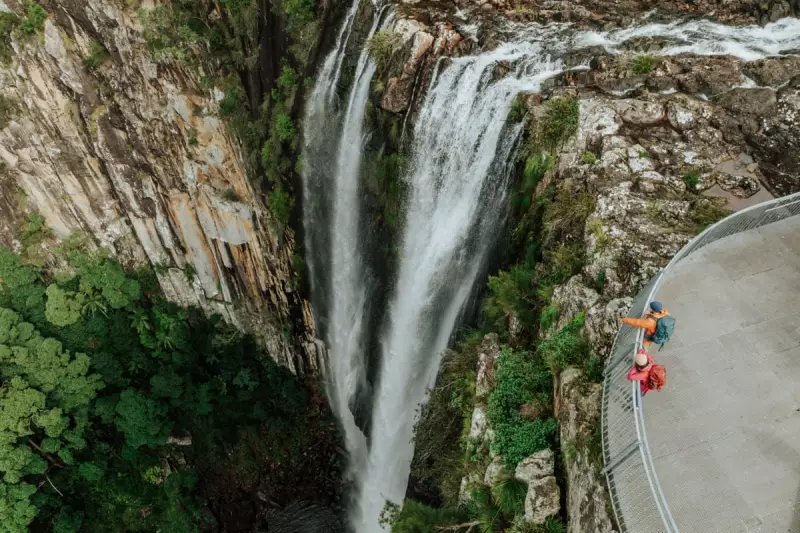
For Moran, the most breathtaking moment comes when the trail emerges at the edge of a canyon with panoramic views extending to the NSW-Queensland border. This perspective, looking back toward Wollumbin across the Tweed Valley, represents both natural beauty and deep cultural connection - a view that continues to inspire awe in those who experience this remarkable journey through ancient country.




