
Alicante's Female-Led Culinary Revolution
In the vibrant coastal province of Alicante on Spain's Costa Blanca, a quiet gastronomic revolution is underway. While the region has long been celebrated for its exceptional rice dishes and Mediterranean seafood, what truly distinguishes its contemporary dining scene is the remarkable prevalence of talented female chefs - a rarity in Spain's traditionally male-dominated culinary world.
Traditional Roots Meet Modern Innovation
The journey begins in Alicante's pedestrianised old town, where Mesón de Labradores stands as a bastion of tradition amidst an influx of Italian eateries. Here, British chef Timothy Denny, who relocated to Spain years ago, explains the region's culinary significance. "For me, Alicante epitomises the Mediterranean – for rice, seafood and artichokes," he reveals over a steaming fideuá de mariscos, the seafood noodle dish that showcases local maritime bounty.
Denny introduces curious regional specialities like pavo borracho, or "drunken turkey", cooked in copious amounts of cognac with a shot of red wine to create a hearty winter stew. This innovative spirit has even drawn praise from legendary Catalan chef Ferran Adrià, who once described the Costa Blanca as having "a magical elf that takes hold of the products and sneaks into the kitchens to offer diners unique dishes with unique flavours".
The Power of Women in Gastronomy
The explanation for Alicante's unusual concentration of female culinary talent becomes clearer when meeting Raquel Sabater, the exuberant owner of Labradores. As Denny notes, "in this historically poor region, the choice was often between cooking and cleaning", leading many women to develop exceptional kitchen skills.
This tradition has evolved into a modern movement through Mujeres en Gastronomía (MEG), an association founded in 2018 by acclaimed chef María José San Román. Dubbed the Queen of Alicante gastronomy, San Román now oversees four restaurants including the high-end Monastrell beside the marina, where she serves refined six-course tasting menus.
Another MEG member, María Luisa Rivera of La Sastrería, transitioned from landscape gardener to chef two decades ago. Her restaurant occupies a beautiful modernista building overlooking centennial ficus trees, where she serves exquisite rice dishes like arroz del senyoret - prepared with peeled shellfish for those who dislike handling their food.
Island Delights and Historic Landscapes
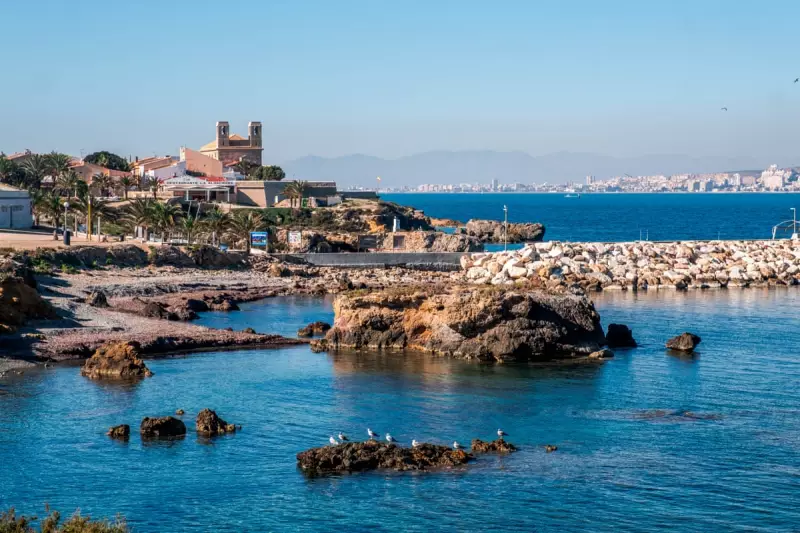
Venturing south to the island of Tabarca, a marine reserve reached by 25-minute ferry from Santa Pola, reveals another culinary treasure. This smallest inhabited island in Spain boasts a rich history involving Greeks, Romans, Berber pirates and Genoese sailors, now preserved in stone gateways and quaint streets.
At La Almadraba, owner Nines demonstrates the traditional two-course caldero, starting with potatoes and fish simmered in alioli, garlic, saffron and parsley broth, followed by rice cooked in the same mixture. The result is a spectacular meal enjoyed overlooking bobbing fishing boats in the harbour.
Inland lies Elche, famous both for the fourth-century BC Dama de Elche sculpture and Europe's largest palm grove, comprising approximately 200,000 date palms that have earned the city UNESCO World Heritage status. Miguel Ángel Sánchez of TodoPalmera explains that Elche's modest date production of about 80 tonnes makes them a gourmet product, with the local Confitera variety offering a velvety, delicious alternative to better-known Medjoul dates.
The culinary journey concludes at 90-year-old El Cachito, where chef Noelia masters the art of cooking over grapevine wood fires to produce perfect paella of rabbit and wild snails. The glistening grains, as flawless as the artichokes from her vegetable garden, provide a fitting finale to a province where tradition and innovation blend seamlessly under the guidance of remarkable culinary talent.




