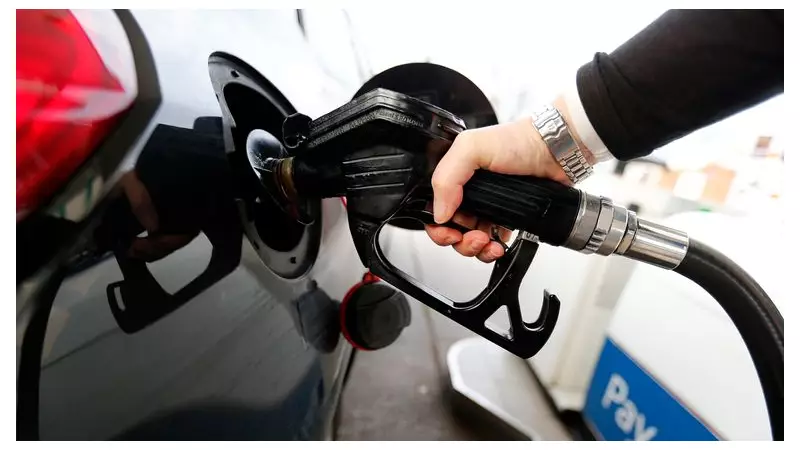
A persistent and bitter debate over the cost of filling up in the UK shows no sign of running out of fuel. Despite a significant fall in global oil prices since the start of the year, drivers continue to pay near-record sums at the pumps, reigniting accusations of profiteering and leaving many questioning where their money is going.
The Data Discrepancy: Oil Down, Petrol Not
The core of the controversy lies in a clear mismatch between wholesale and retail prices. Brent crude oil has recently traded between $62 and $64 per barrel, a notable drop from the $75-$82 range seen in January. Yet, the savings are not materialising for motorists.
Current average pump prices stand at £1.37 per litre for petrol and £1.46 for diesel. In January, with oil significantly more expensive, averages were only slightly higher at £1.39 and £1.45 respectively. This disparity has been consistently highlighted by motoring groups and the competition watchdog.

The Case Against Retailers: Profits and Postcode Lotteries
Campaigners and motoring organisations have long accused the fuel industry of inflating its profit margins. The days of supermarket-led price wars, notably driven by Asda before its takeover, are a distant memory.
Recent reports from the AA and RAC underscore the problem. The AA pointed out a recent price spike that matched mid-June levels, despite a 5p per litre fall in wholesale costs a fortnight prior. It also highlighted a "postcode lottery" with price differences of up to 9p per litre between towns just ten miles apart.
The RAC revealed that pump prices rose at their fastest pace in 18 months during November, with diesel hitting a 15-month high. This evidence forms the basis for the Competition and Markets Authority's (CMA) ongoing conclusion that UK drivers have been consistently overcharged.
The Industry's Defence: Rising Costs and Thin Margins
Fuel retailers vehemently deny allegations of profiteering. Industry bodies argue that critics fail to account for the substantial rise in operating costs they have absorbed over the past four years.
These include soaring energy bills, increased business rates, higher minimum wage obligations, rising employer National Insurance contributions, and record losses from forecourt crime. The Petrol Retailers' Association (PRA) told Sky News that average net margins across the sector remain at between 3% and 4%, unchanged from a year ago, after all costs are accounted for.
They also point to a new structural challenge: the UK's shrinking refining capacity. With only four operational refineries left after two major sites closed this year, domestic supply has tightened. The closure of Grangemouth in Scotland was particularly impactful, leaving the nation reliant on more complex and potentially costly imports.
The Regulatory Stalemate and Hope for Transparency
The CMA's road fuel market study, published two-and-a-half years ago, committed to monitoring the market and recommended a compulsory "fuel finder" scheme to boost competition. Progress, however, has been slow.
While the previous Conservative government accepted the recommendation, it is the current Labour administration pushing it through parliament. The scheme, which will force retailers to share real-time price data, is now expected to launch in spring 2026.
The CMA hopes this transparency will empower drivers to shop around and force retailers to compete more aggressively on price. A key criticism of the regulator's past findings is that they declared pump prices excessive without fully incorporating retailers' operating cost data.
This may be about to change. The CMA's next market update, due within weeks, will for the first time take more extensive cost data into account. A spokesperson confirmed the assessment would be part of an annual report later this month.
The hope is that this more comprehensive analysis will provide a definitive answer, allowing both sides to accept the findings and finally bring this protracted and heated debate to an end. For now, UK drivers continue to navigate a costly and confusing landscape every time they need to refuel.