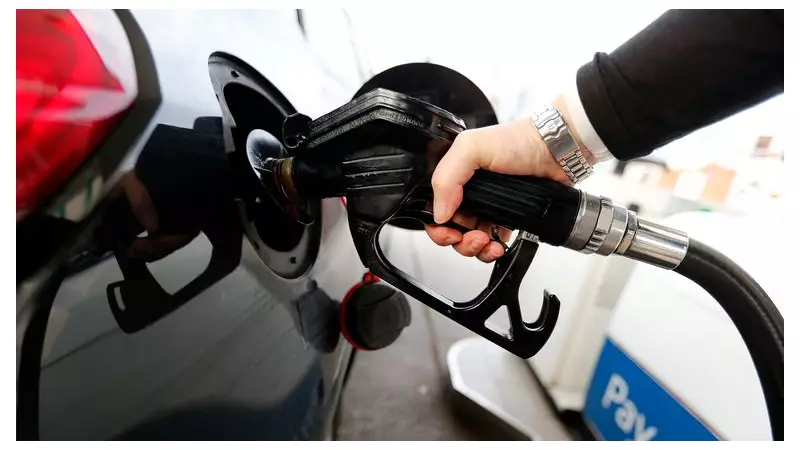
A persistent and heated debate over the cost of filling up in the UK shows no sign of abating. Despite a significant fall in global oil prices since the start of the year, the price drivers pay at the forecourt has remained stubbornly high, reigniting accusations of profiteering and leaving many questioning where their money is going.
The Data Discrepancy: Oil Down, Petrol Static
The core of the issue lies in a clear mismatch between wholesale and retail markets. In January 2025, Brent crude oil traded between $75 and $82 per barrel. At that time, the average pump price for petrol was £1.39 per litre, with diesel at £1.45.
Fast forward to December, and the picture has shifted – but not in drivers' favour. While Brent crude has recently traded in a lower range of $62 to $64 a barrel, average pump prices have barely budged. Drivers are currently paying around £1.37 for petrol and £1.46 for diesel.

This notable disparity has occurred despite factors like currency exchange rates, which can influence costs. The situation has drawn sharp criticism from motoring organisations and campaigners who argue the industry is pocketing the difference.
The Prosecution and The Defence
Motoring groups have long accused fuel retailers of artificially inflating their profit margins. The AA and RAC have both published recent reports highlighting concerning trends. The AA pointed to a 5p per litre slump in wholesale costs a fortnight ago that was not reflected at the pump, and noted a "postcode lottery" where prices could vary by up to 9p per litre between towns just ten miles apart.
The RAC declared that pump prices rose at their fastest pace in 18 months during November 2023, with diesel reaching a 15-month high. These groups, alongside the Competition and Markets Authority (CMA), believe drivers are being excessively charged.
However, the fuel industry pleads "not guilty." Representatives, such as the Petrol Retailers' Association (PRA), argue that critics fail to account for soaring operational costs over the past four years. They list increases in energy, business rates, the minimum wage, employer National Insurance, and losses from forecourt crime.
The PRA states that average net margins across the sector have remained steady at between 3% to 4%, the same as a year ago, suggesting rising costs have been passed on in full rather than margins being inflated.
Structural Shifts and Regulatory Roadblocks
Complicating the supply picture is a reduction in the UK's domestic refining capacity. The country now has only four operational refineries after two major sites shut in 2025. The closure of the Grangemouth refinery in Scotland was particularly significant, leaving the nation more reliant on imported fuel.
The industry warns that high UK carbon charges have made domestic production uncompetitive. While retailers say the impact on supply has been minimal so far, it adds another layer of complexity to the pricing chain.
On the regulatory front, the CMA's hands have been partly tied. Its 2023 market study recommended a compulsory "fuel finder" scheme to boost price transparency and competition by providing real-time data to drivers. While the previous government accepted the idea, implementation has been slow.
The current Labour government is now pushing the scheme through parliament, with a launch expected by spring 2026. The CMA hopes this tool will empower consumers and pressure retailers to compete more fiercely on price.
Closer to an Answer?
The fundamental reason this debate remains unresolved, according to analysts, is a lack of complete data. The CMA's previous findings of excessive pricing were made without fully accounting for retailers' operating costs.
This may be about to change. The regulator is due to publish its next market update within weeks, which will, for the first time, incorporate more extensive cost data from the industry. A CMA spokesperson confirmed they have been examining claims of rising operating costs and will set out their assessment in an annual report later in December 2025.

The hope is that this more comprehensive analysis will provide a definitive verdict that both sides can accept, finally bringing clarity – and perhaps relief – to UK drivers who have long felt they are paying over the odds every time they visit the pump.