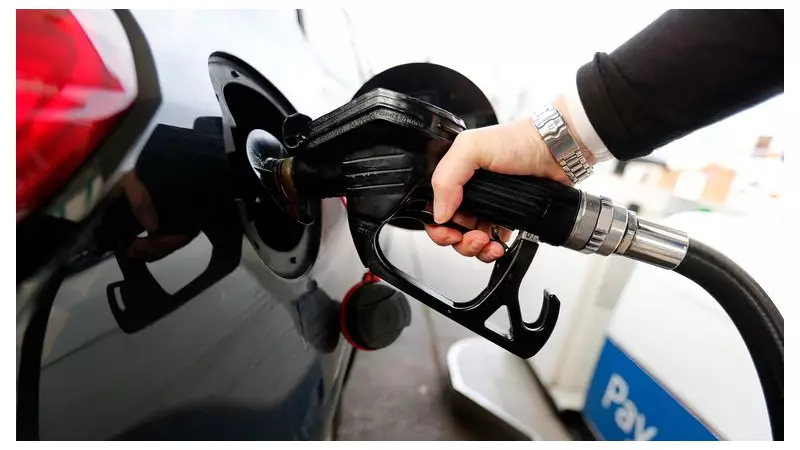
British motorists continue to face high costs at the fuel pump, despite a significant fall in global oil prices, reigniting a fierce debate over fairness and transparency in the market.
The Core Contradiction: Oil Down, Pump Prices Stubborn
While Brent crude oil has recently traded between $62 and $64 per barrel, a notable drop from January's range of $75 to $82, drivers have seen little relief. The current average pump price stands at £1.37 per litre for petrol and £1.46 for diesel. This compares to January averages of £1.39 and £1.45 respectively, despite oil being far more expensive at the start of the year.
This persistent gap between wholesale and retail fuel costs has drawn sustained criticism from motoring groups and regulators. The Competition and Markets Authority (CMA) has consistently found evidence that UK drivers are paying more than they should be, with the disparity worsening in recent months.

A Shrinking Supply Chain and Rising Costs
Retailers, represented by bodies like the Petrol Retailers' Association (PRA), vehemently deny accusations of profiteering. They argue that soaring operating costs over the past four years are being passed on. These include:
- Increased energy bills
- Higher business rates
- Rises in the National Living Wage
- Growing employer National Insurance contributions
- Record losses from forecourt crime
The PRA states that average net margins across the sector remain between 3% and 4%, unchanged from a year ago.
Compounding the issue is a structural change in UK fuel production. The country now has only four operational refineries following two major site closures this year. The shutdown of the Grangemouth refinery in Scotland left the nation with no domestic production capacity, increasing reliance on complex and potentially costlier imports. The industry warns that high UK carbon charges are making domestic production uncompetitive.
Regulatory Scrutiny and the Promise of Transparency
The CMA, following a market study concluded two-and-a-half years ago, recommended a compulsory fuel finder scheme to boost competition. This official scheme, now being pushed through parliament by the Labour government, is expected to launch in spring 2026. It will force retailers to share real-time pricing data, allowing drivers to compare costs easily.
Motoring organisations have highlighted recent price spikes. The AA reported a postcode lottery with differences of up to 9p per litre between towns just ten miles apart. The RAC noted that pump prices rose at their fastest pace in 18 months during November 2025, with diesel hitting a 15-month high.
A resolution may be in sight. The CMA's next market update, due within weeks, will for the first time incorporate more extensive data on retailers' operating costs. A CMA spokesperson told Sky News this assessment would be part of their annual report later in December 2025.
The hope is that this more comprehensive analysis will provide a definitive answer, finally settling the bitter and long-running dispute over who is right in the great UK fuel price debate.