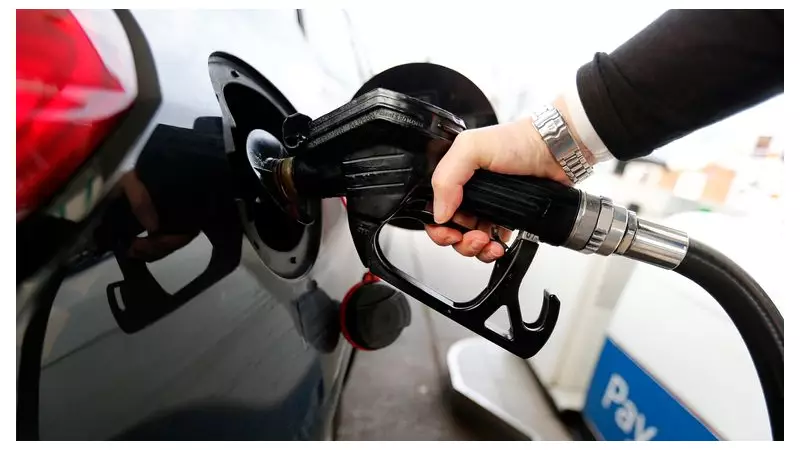
British motorists continue to face a frustrating reality at the forecourt: despite a significant fall in global oil prices, the cost of filling up remains stubbornly high. This enduring disparity has reignited the fierce debate over whether drivers are being unfairly charged, a controversy that has simmered since the end of the COVID-19 pandemic.
The Data Disconnect: Oil Down, Fuel Up
Oil prices have sharply declined from levels seen in January 2025, when Brent crude traded between $75 and $82 a barrel. Since mid-June, the cost has dipped to a range of $62 to $64. Yet, this drop has not translated to relief at the pumps.
Currently, drivers are paying an average of £1.37 per litre for petrol and £1.46 for diesel. Comparing this to January, when averages were £1.39 for petrol and £1.45 for diesel, reveals a notable disconnect. While factors like sterling's strength against the dollar and global refined product supply play a role, campaigners argue the core issue lies elsewhere.

The Case Against Retailers: Profiteering Allegations
Motoring groups and fuel price campaigners have long accused the industry of inflating profit margins. The days of supermarket-led price wars, notably led by Asda before its takeover, are a distant memory. Recent reports highlight the problem.
Both the AA and RAC have pointed to significant price spikes despite a 5p per litre fall in wholesale costs just a fortnight ago. The AA noted that pump prices recently matched mid-June highs, reaching 135.8p per litre by late July. The RAC declared that November saw the fastest rise in pump prices in 18 months, with diesel hitting a 15-month high.
Furthermore, the AA highlighted a 'postcode lottery', with price differences of up to 9p per litre between towns just 10 miles apart. The Competition and Markets Authority (CMA) has consistently found that UK drivers have been charged excessively since its initial market study.
The Industry's Defence: Rising Costs and a Refinery Crisis
Fuel retailers plead 'not guilty' to profiteering claims. Industry bodies argue that critics fail to account for the massive rise in operating costs over the past four years, which have been passed on across the economy.
These costs include energy, business rates, increases to the minimum wage, employer National Insurance, and record losses from forecourt crime. The Petrol Retailers' Association (PRA) told Sky News that average net margins across the sector remain between 3% and 4%, unchanged from a year ago.
A new, critical factor is emerging: a UK refinery crisis. The country now has only four operational refineries after two major sites shut this year. The closure of Grangemouth in spring 2025 was particularly acute, leaving Scotland without domestic production and reliant on expensive imports. The industry warns that high UK government carbon charges have made domestic producers uncompetitive.
The Regulatory Stalemate and Hope for Answers
The CMA's road fuel market study, published two-and-a-half years ago, recommended a compulsory 'fuel finder' scheme to boost competition by providing real-time price data. While accepted by the previous government, implementation has been slow, with the scheme now expected by spring 2026 under Labour.
The regulator has been limited in its actions, unable to issue fines until its recommendations are law and clearly flouted. Crucially, its past findings of excessive pricing were made without fully accounting for retailers' operating costs.
This may soon change. The CMA's next market update, expected within weeks, will for the first time incorporate more extensive cost data. A CMA spokesperson stated they have been examining claims of rising operating costs and will set out their assessment in an annual report later this month.
The hope is that this report, with its more comprehensive data, will provide a conclusive answer that both sides can accept, finally bringing this bitter and long-running debate to an end.