
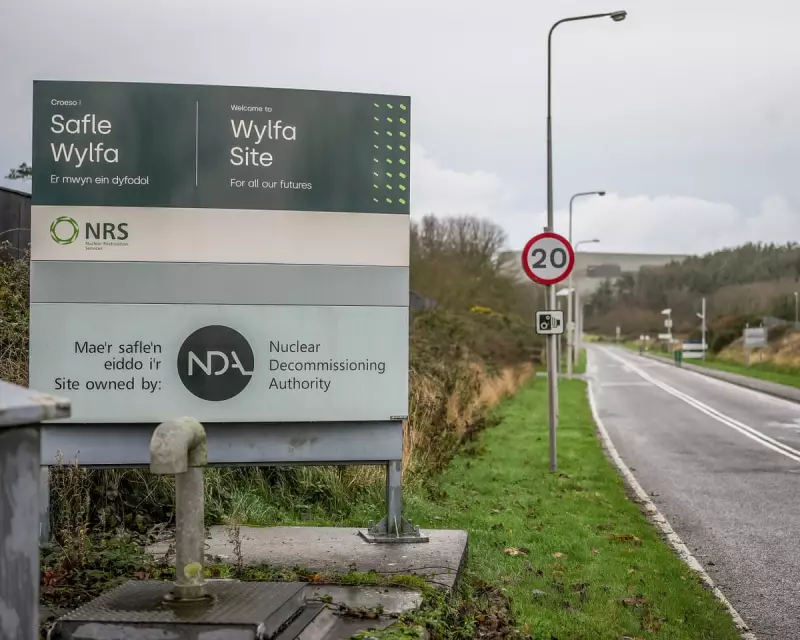
The United States and United Kingdom have unveiled a groundbreaking nuclear energy partnership that could transform both nations' clean energy landscapes. This strategic alliance focuses on developing small modular reactor (SMR) technology at the Wylfa site in Anglesey, North Wales, marking one of the most significant energy collaborations between the two countries in decades.
A New Chapter in Nuclear Cooperation
Energy Secretary Ed Miliband and his US counterpart Jennifer Granholm announced the partnership during high-level talks in Washington. The agreement establishes what both governments are calling a "golden age" for US-UK nuclear cooperation, with the Wylfa site positioned as the potential flagship location for this new generation of nuclear technology.
The partnership includes plans for both countries to co-fund a technical and commercial feasibility study for deploying US-designed SMRs in the UK. This study will examine multiple aspects of the project, from regulatory alignment to supply chain development and workforce requirements. The collaboration represents a major step forward in making advanced nuclear technology commercially viable and deployable at scale.
The Wylfa Advantage
The Wylfa site on Anglesey has long been considered one of the best nuclear development locations in the UK. It previously hosted a Magnox nuclear power station that operated for 44 years before ceasing electricity generation in 2015. The site's existing infrastructure, grid connections, and local community familiarity with nuclear operations make it an ideal candidate for SMR deployment.
This development could create approximately 8,000 jobs during construction and 1,000 permanent positions once operational, providing a significant economic boost to North Wales. Local officials and community leaders have expressed strong support for the project, recognizing its potential to revitalize the regional economy while contributing to national energy security.
The technology at the heart of this partnership comes from US-based companies including Westinghouse, GE Hitachi, and Holtec Britain. These firms are developing next-generation SMR designs that promise faster construction times, enhanced safety features, and lower costs compared to traditional large-scale nuclear plants.
Strategic Energy Implications
This partnership arrives at a critical moment for both nations' energy strategies. The UK government has set ambitious targets to increase nuclear power generation to 24 gigawatts by 2050, representing about 25% of the country's projected electricity demand. Similarly, the Biden administration views advanced nuclear technology as essential for meeting US climate goals while ensuring grid reliability.
The collaboration extends beyond technology deployment to include regulatory alignment and workforce development. Both countries have committed to exploring ways to harmonize their nuclear regulatory frameworks, which could accelerate future projects and reduce development costs. Additionally, the partnership includes provisions for joint research and development initiatives and knowledge sharing between nuclear institutions.
This announcement follows the UK government's decision earlier this year to include the Wylfa site in its list of potential locations for new nuclear developments. The site's selection for this landmark international partnership further solidifies its position as a cornerstone of Britain's future energy strategy.
As both nations work to transition away from fossil fuels while maintaining energy security, this US-UK nuclear partnership represents a significant step forward. The success of the Wylfa SMR project could establish a template for future international nuclear collaborations and demonstrate the viability of advanced nuclear technology in global clean energy transitions.




