The Great Grid Upgrade: Shareholder Boom, Consumer Burden?
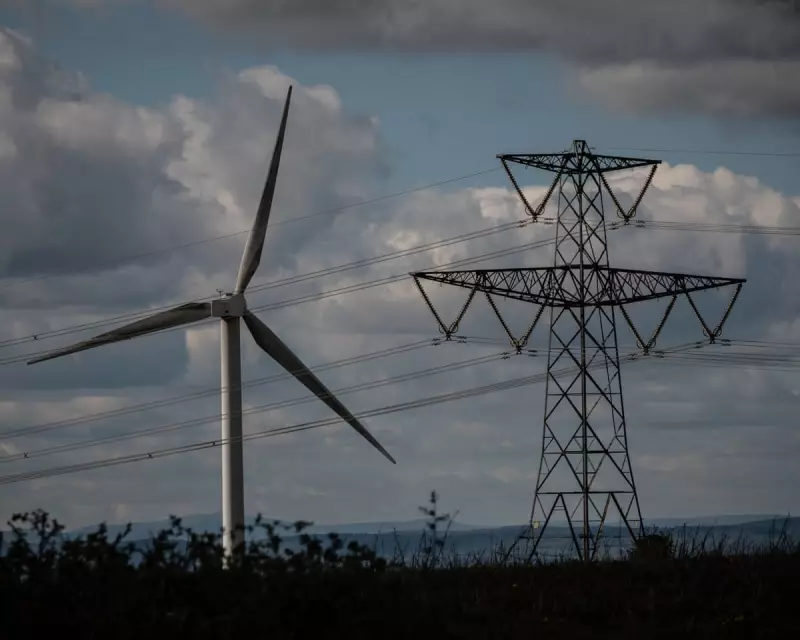
The monumental task of upgrading Britain's electricity network has sent shares in energy giant SSE soaring by 17%, as the company unveiled ambitious plans to invest £33 billion over the next five years. This staggering sum exceeds SSE's entire current market value and forms part of a broader £80 billion network investment programme involving Scottish Power and National Grid.
Who Bears the Financial Burden?
While SSE's shareholders celebrate projected dividend growth of 5-10% annually until 2030, serious questions emerge about who ultimately funds this infrastructure sprint. Martin Pibworth, SSE's Chief Executive, described the initiative as a "once-in-a-generation opportunity", but consumer advocates warn that households and businesses will shoulder the costs through their electricity bills.
Energy regulator Ofgem, operating under government mandates to complete grid upgrades by 2030, faces accusations of being overly generous to network companies. The current price control determinations for 2026-31 remain in draft stage, with the final version expected next month.

The Looming Bill Shock
Chris O'Shea, Chief Executive of Centrica (British Gas's parent company), recently outlined the alarming arithmetic. Domestic customers could see £42 annual increases, while businesses face average network charge hikes of 70%, with some experiencing doubled costs. For small and medium enterprises, this could translate to total bill increases of 5-10% from next April.
Rachel Fletcher, Octopus Energy's regulation director, told a Commons select committee that electricity prices could rise by 20% even if wholesale prices halve, due to escalating network charges and other non-commodity costs.
The government and Ofgem maintain that this investment is essential to address historical underinvestment, accommodate renewable energy expansion, and prepare for projected electricity demand doubling by 2050. However, with front-loaded charges impacting bills from April 2025, the debate intensifies about the pace of spending and its immediate consequences for consumers already grappling with cost-of-living pressures.