British Households to Fund £2bn Annual Nuclear Subsidies
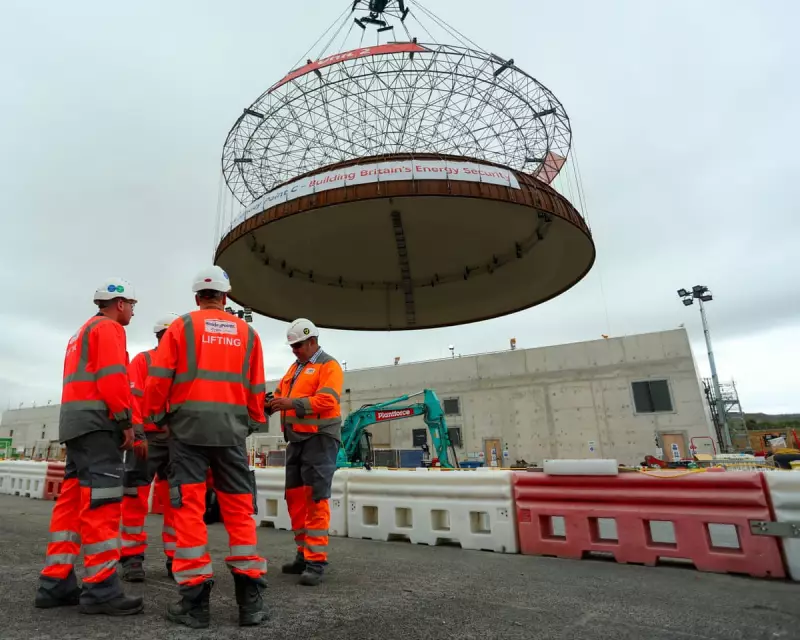
UK energy consumers are set to fund approximately £2bn per year in subsidies to French state-owned energy giant EDF for two new nuclear power stations, according to recent government disclosures. The substantial payments will support both the Hinkley Point C facility in Somerset and the planned Sizewell C project in Suffolk.
How the Nuclear Funding Mechanism Works
The subsidy structure operates through two distinct financial mechanisms. EDF will receive £1bn in annual payments once Hinkley Point C becomes operational in 2030, under the government's "contracts for difference" (CfD) system. This scheme guarantees low-carbon energy producers a fixed price for the electricity they generate.
Separately, an additional £1bn will be added to consumer bills through a nuclear levy specifically designed to fund the construction of Sizewell C, a 3.2 gigawatt project also led by EDF. This dual funding approach means British energy users will collectively contribute around £2bn annually to support these nuclear developments.

The Scale of Investment and Energy Output
When completed, these two nuclear plants will generate approximately one-sixth of the electricity Britain used during peak demand this year. This substantial output is equivalent to powering around 6 million homes, representing a significant step in the UK's energy security strategy.
A government spokesperson defended the investment, stating: "We are reversing a legacy of no new nuclear power being delivered to unlock a golden age of nuclear, securing thousands of good, skilled jobs and billions in investment."
Financial Details and Future Projections
The Office for Budget Responsibility (OBR) revealed that EDF will receive £1bn in the first year of Hinkley Point C's operation, currently scheduled for 2030 after twelve years of construction. The payments stem from an agreement struck in 2013 between EDF and the Conservative-Liberal Democrat coalition government.
Then energy secretary Ed Davey, now leader of the Liberal Democrats, agreed to a "strike price" guaranteeing EDF would receive £92.50 for each megawatt hour of electricity generated at the 3.2 GW plant. Accounting for inflation, this price has risen to approximately £133 today and is projected to reach £150 by 2030.
With current wholesale electricity prices around £80 per MWh, the CfD agreement ensures EDF can claim the difference from consumers and businesses. However, government sources argue that had Hinkley Point C been operational during the energy price spike following Russia's invasion of Ukraine, it could have saved energy users more than £4bn.
Long-term Benefits and Additional Costs
The government anticipates that the stable "baseload" output from nuclear reactors could eventually offset their additional costs by helping to control rising expenses associated with balancing volatile output from renewable sources like solar and wind. The Nuclear Industry Association estimates these balancing costs will reach approximately £2bn this year.
Regarding Sizewell C, which has yet to begin construction and is scheduled for completion in the 2030s, the government claims the plant could save £2bn annually in future costs. They estimate the construction period impact on household bills will be approximately £1 per month.
Starting in January, energy bills will include a levy supporting Sizewell C's construction, adding £10 annually to consumer bills. This levy is expected to raise £700m initially but will double by 2030 to fund the project, whose total price tag is projected to reach £100bn.
The final costs could potentially increase further, as demonstrated by Hinkley Point C's budget evolution. Originally projected to cost £18bn, EDF predicted last year that the final bill could reach £46bn due to multiple time and cost overruns.
Chancellor Rachel Reeves has separately promised to cut energy bills by an average of £150 per household from next April by reducing green levies, creating a complex financial landscape for UK energy consumers navigating these substantial nuclear investments.