A controversial directive from the Trump administration to keep an ageing coal-fired power plant operational in Michigan has saddled American taxpayers with a staggering $113 million in costs, according to figures from the plant's operator and regulators.
Mounting Costs and Legal Challenges
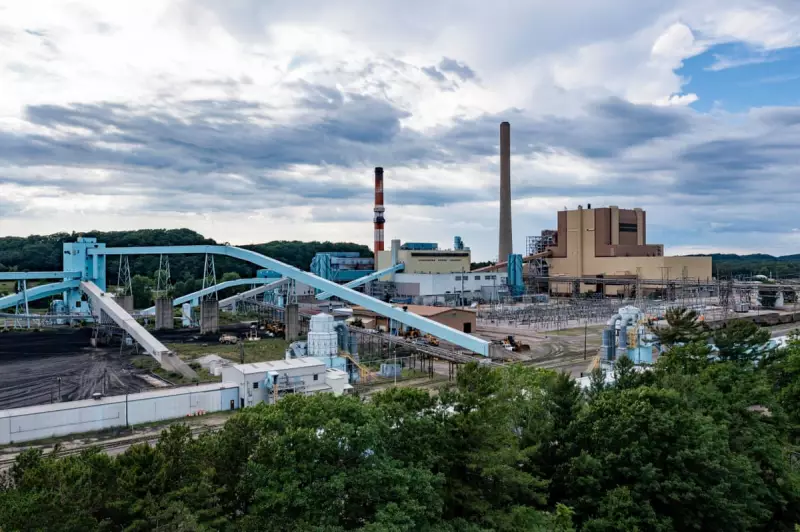
The order, issued in May, compelled utility giant Consumers Energy to halt the retirement of the 63-year-old JH Campbell plant in West Olive, Michigan. Despite the plant being deemed unnecessary for grid reliability, the US Energy Department has now mandated it remain online for another 90 days. This decision has sparked legal action and fierce criticism.
Michigan Attorney General Dana Nessel has filed a motion alleging the administration's latest order is "arbitrary and illegal." Meanwhile, consumer advocates and environmental groups point to the plant's expensive operation and high levels of toxic emissions.

Gary Rochow, Consumers Energy’s CEO, confirmed to investors that the federal order explicitly stated that ratepayers should bear the financial burden, outlining a clear path for cost recovery. The utility estimates the directive is costing customers approximately $615,000 per day.
Environmental and Health Impacts
The JH Campbell plant is a significant source of pollution. It, along with another Michigan plant the Trump administration is working to keep open, is responsible for nearly 45% of the state's greenhouse gas pollution.
Beyond carbon dioxide, the facility emits high levels of sulfur dioxide and particulate matter into the air. Furthermore, its coal ash ponds are known to leach dangerous contaminants, including arsenic, lead, and lithium, into local drinking water sources and the Great Lakes.
Questionable Necessity and Contradictory Data
The Energy Department initially justified the order by claiming that retiring the coal plants "would jeopardize the reliability of our grid systems." However, data from the regional grid operator, Miso, and the Michigan Public Service Commission (MPSC) over the past six months has proven this assertion to be incorrect.
Regulatory data shows the Miso grid had ample excess power capacity this summer, far exceeding what the Campbell plant provided. The plant often operated below full capacity, indicating its power was not needed, yet costs continued to accumulate for ratepayers.
The chair of the MPSC, Dan Scripps, had warned in May that the order would "increase the cost of power for homes and businesses in Michigan and across the midwest," a prediction now substantiated by the latest financial figures.
Consumers Energy had been planning the plant's closure since 2021, as required by the state's energy plan. The company projected that shutting down the JH Campbell plant would save ratepayers an estimated $600 million by 2040.