MPs Condemn 'Catastrophic Failure' of Tory Insulation Scheme
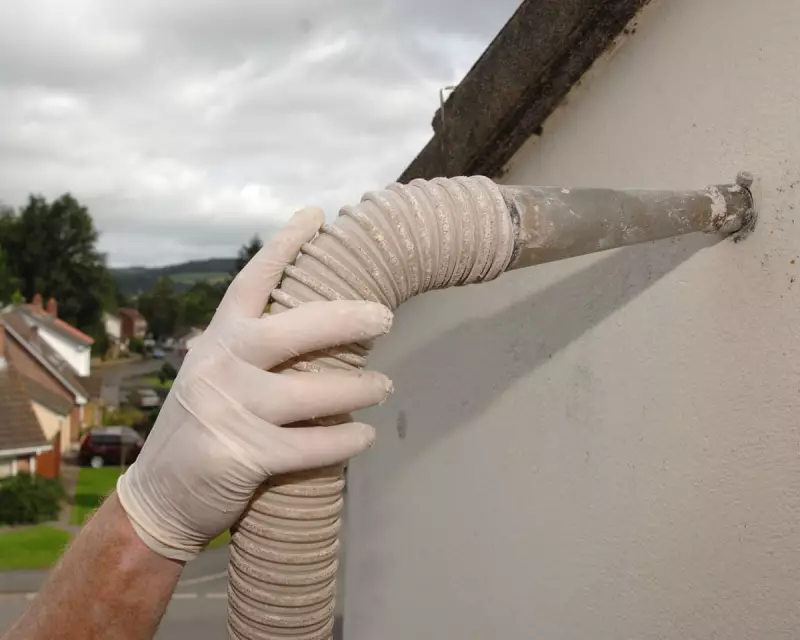
Tens of thousands of households across the UK have been left grappling with the consequences of what MPs have labelled a 'catastrophic failure' of the Energy Company Obligation insulation programme. The scheme, initiated under the previous Conservative government, has resulted in widespread damage to properties, with repair bills soaring into the hundreds of thousands for some homeowners.
Mounting Costs and Health Risks
The fallout from the botched insulation work has been severe. In the most extreme case, one household was confronted with a staggering £250,000 bill to rectify the damage caused by poor installation. Thousands more have faced costs ranging from £250 to £18,000 to address issues that, in some instances, posed direct health threats due to mould and damp.
These problems often stem from inadequate ventilation or improperly fitted insulation around edges and openings, leading to condensation and structural deterioration over time. The situation has prompted calls for the Serious Fraud Office to investigate, as the government now faces the dual challenge of repairing both damaged homes and the reputation of a vital industry.

Labour's Warm Homes Plan Under Scrutiny
Against this backdrop, the government has unveiled its long-awaited £15 billion warm homes plan, aimed at reducing energy bills and boosting clean energy adoption. The initiative will fund solar panels, batteries, low-carbon heat pumps, and insulation measures. However, experts and campaigners have expressed concern that the plan may prioritise green energy generation over energy-saving insulation.
Christopher Hammond, chief executive of UK100, noted that 'some of the wording in the plan seems to deprioritise insulation', despite its proven effectiveness in cutting bills and improving home comfort. Of the £15bn, a third is earmarked for upgrading homes of vulnerable and low-income individuals, though the exact allocation for insulation remains unclear.
Industry Uncertainty and Job Losses
The insulation sector has been rocked by years of stop-start policies, from David Cameron's early championing of insulation to the scrapping of loan schemes in 2015 and the short-lived green homes grant under Boris Johnson. Labour's move to scrap the Eco scheme has further destabilised the industry, with Sarah Kostense-Winterton of the Energy Efficiency Infrastructure Group warning that up to 70,000 jobs could be lost by year-end.
She emphasised that the sector 'needs certainty and security now' to make meaningful progress on fuel poverty and heating bill reductions. Insulation is widely recognised as one of the most effective ways to lower energy costs, enhance health and comfort, and reduce greenhouse gas emissions, yet it requires careful planning and execution to avoid the pitfalls seen in the Eco programme.
Future Focus and Consumer Preferences
The government's warm homes plan also includes support for those better able to pay, through loans and innovative finance options like green mortgages. However, the emphasis on solar panels and heat pumps may reflect a shift in strategy. Recent research suggests UK homes are less draughty than previously thought, making heat pumps viable even without prior insulation.
Additionally, the falling cost of solar panels—now around £6,000 installed for an average home—and the availability of DIY options have made them more attractive. A Whitehall source indicated a desire to 'lean in' to what consumers want, rather than pushing insulation as a first step.
As the Labour administration works to address the alleged fraud and mishandling of the Eco scheme, the key challenge will be ensuring that new initiatives like heat pump and solar installations avoid repeating past mistakes, while balancing energy efficiency with consumer demand and industry stability.