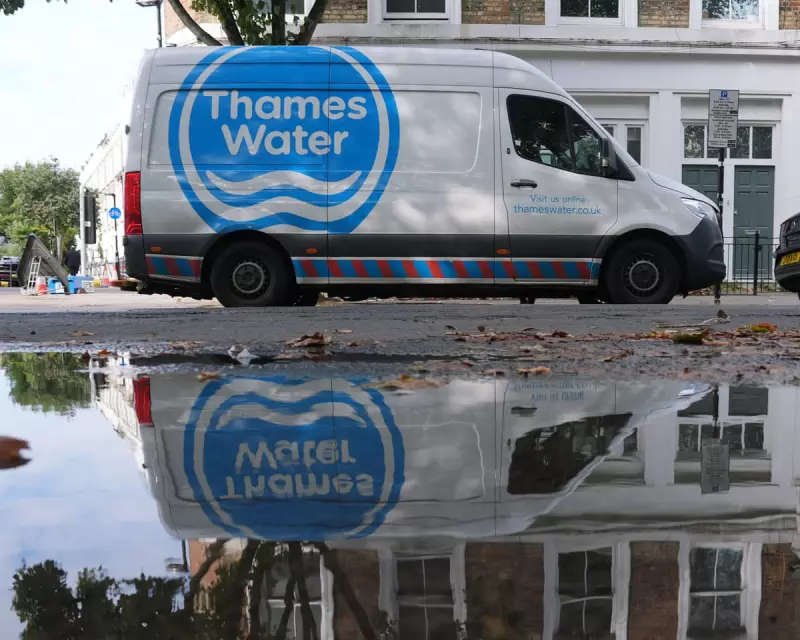
Britain's largest water supplier, Thames Water, has announced a dramatic swing into profit for the first half of its financial year, even as it issued a stark warning about its immediate financial future and the risk of falling under state control.
Profits surge as bills rise
The utility reported a pre-tax profit of £386 million for the six months to September. This represents a significant turnaround from the £230 million loss it recorded during the same period in 2024. The company attributed the improved financial performance to strong revenue growth, which was driven by a regulated price increase for customers, coupled with tighter control over operational expenditure.
Chief Executive Chris Weston stated that the first half had seen progress in the company's operational transformation, citing a 20% reduction in pollution incidents and steady leakage performance despite dry weather. He also highlighted a 22% increase in capital investment, which reached £1.3 billion, funded by the higher customer bills.

A 'going concern' warning and administration threat
Despite the reported profits, the company's statement contained a grave warning. Thames Water said there was "material uncertainty" over its ability to continue as a going concern, casting significant doubt on its future. The company explicitly warned that a collapse into a special administration regime under government control "could occur in the very near term."
This threat hinges on the company's ability to agree on the terms of a formal takeover by its controlling lenders, as it struggles under a mountain of net debt totalling £17 billion, accumulated since privatisation. The company has been teetering on the edge of collapse for over a year.
Customer impact and future plans
The rise in bills that fuelled the profit surge has also led to an increase in customer complaints. In response, Thames Water said it has expanded its support, increasing the number of households on social tariffs to 515,348. It has also piloted a scheme in London to automatically enrol customers in financial difficulty into assistance programmes.
Weston emphasised the company's long-term transformation programme, which he said would take at least a decade to complete, aiming to restore infrastructure and operations. He stated the company continues to work on a "market-led solution" for its recapitalisation, which it believes is in the best interests of customers and the environment.
In other business news, Italian fashion house Prada has finalised its acquisition of rival Versace in a deal worth approximately $1.4 billion (£1bn). This move consolidates two major luxury brands under the Prada group umbrella, which also includes Miu Miu and Church's, as it positions itself to compete with giants like LVMH. The price is notably lower than the $2 billion valuation when Versace was bought by Capri Holdings in 2018.