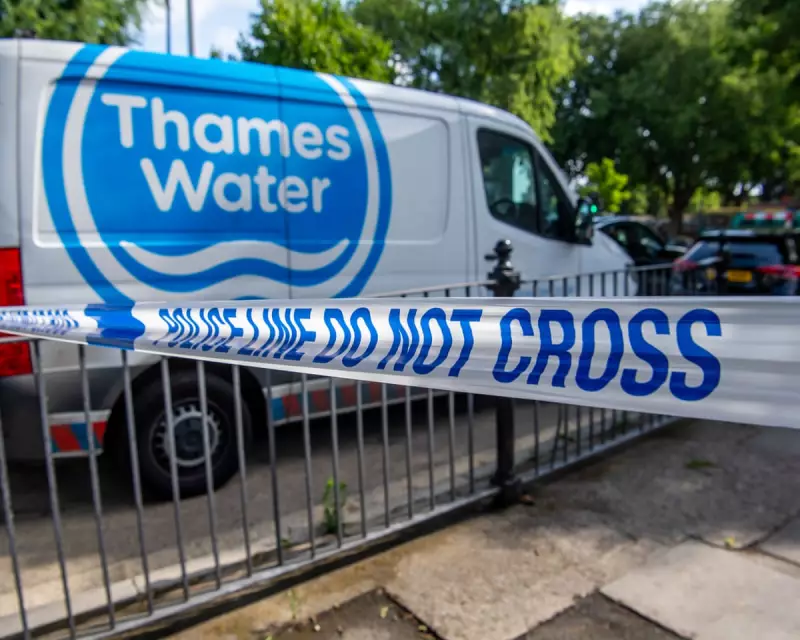
Thames Water, the UK's largest water company, has reported a dramatic surge in its half-year profits, even as it continues to warn of a looming risk of collapse. The troubled utility, which serves 16 million customers across London and the South East, saw its underlying operating profit jump to nearly £400 million for the six months to the end of September.
A Surge in Revenue and Profit
The company's latest financial results reveal a significant turnaround in its earnings. For the first half of its financial year, Thames Water posted an underlying operating profit of £395 million. This marks a substantial increase from the £242 million recorded during the same period the previous year. The surge was primarily driven by a 16% rise in revenue, which climbed to £1.3 billion.
This revenue growth was attributed to higher customer bills, which rose by an average of 10.7% in April 2024, and increased consumption. Despite the profit leap, the company's financial statements are overshadowed by a colossal debt pile and an urgent need for fresh investment to upgrade its ageing infrastructure.

The Persistent Shadow of Financial Collapse
Despite the impressive profit figures, Thames Water has reiterated its stark warning about its financial viability. The company stated that its ability to continue as a going concern remains uncertain and is dependent on securing new equity from investors. A critical deadline is fast approaching.
The water regulator, Ofwat, must approve the company's business plan by June 12, 2025. This plan is crucial as it outlines how Thames Water intends to spend £21.7 billion on service improvements and environmental projects over the next five years. The company has bluntly warned that if the plan is not approved in a form that is "affordable for customers, deliverable and financeable for Thames Water," it may not be able to secure the necessary funding.
This scenario could trigger a special administration regime, effectively placing the company under temporary public control. The firm's enormous debt, which stands at over £15 billion, continues to be a millstone around its neck, with interest payments consuming a large portion of its income.
Regulatory Pressure and Public Scrutiny
The situation places immense pressure on the regulator, Ofwat, and the government. Thames Water's shareholders, which include major pension funds and sovereign wealth funds, have previously refused to inject further cash, citing the regulatory environment as not being sufficiently favourable. The company's performance has been under the microscope following numerous incidents of sewage pollution and operational failures.
Chris Weston, the Chief Executive of Thames Water, acknowledged the challenges. He stated that the first-half results demonstrated "early operational progress" but emphasised that the company's future hinges on a regulatory settlement that is fair to both customers and investors. The coming months will be decisive in determining whether the utility can attract the £2.5 billion in equity it desperately needs to survive and modernise its network.
The story of Thames Water is becoming a defining saga for the UK's privatised water industry. It highlights the tension between delivering shareholder returns, investing in critical infrastructure, protecting the environment, and keeping bills affordable for millions of households. All eyes are now on Ofwat's decision in June, which will either set the company on a path to recovery or push it into an unprecedented state of crisis.