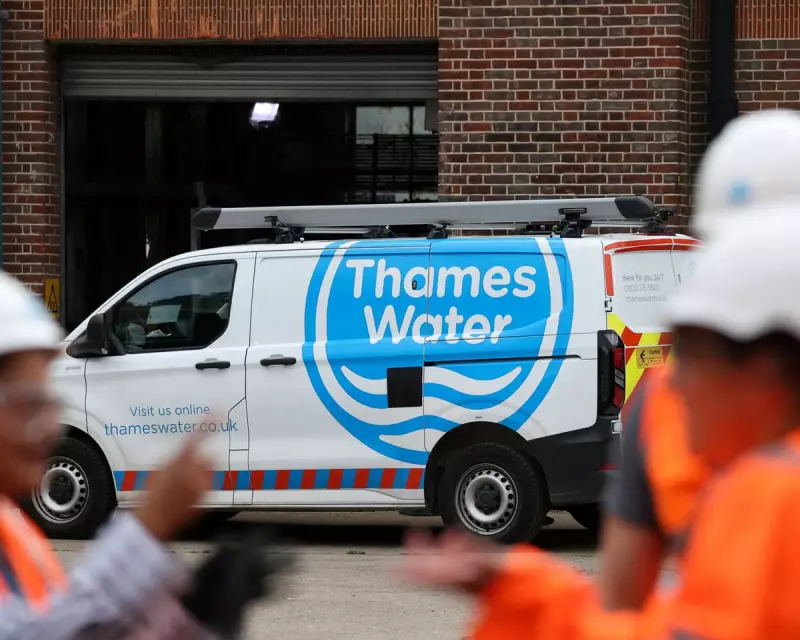
Thames Water has pushed back a contentious plan to award its senior bosses retention bonuses worth £2.5 million, sidestepping a potential public outcry during the festive season. The heavily indebted utility, which is urgently trying to secure a multibillion-pound financial rescue package, confirmed the payments for 21 executives will now be deferred until after the new year.
Bonus Row and Parliamentary Apology
The decision to pause the bonus package follows a significant controversy earlier this year. The Guardian revealed that Thames Water's chair, Sir Adrian Montague, had incorrectly informed MPs that the company's creditors had "insisted" on the payments. Sir Adrian subsequently apologised to the Environment, Food and Rural Affairs Select Committee for the mistake, having initially claimed lenders demanded "very substantial" bonuses of up to 50% of salary to retain key staff.
This revelation led to the initial suspension of the awards. Despite the pause, sources within the UK's largest water company indicate that senior figures have been frustrated by their inability to pay these bonuses, arguing that low morale at the struggling firm has made it difficult to retain essential executives.

Navigating the Bonus Ban
The situation highlights a potential loophole in legislation designed to curb rewards for underperforming water companies. The previous Environment Secretary, Steve Reed, had pledged to block Thames Water from paying bonuses using its emergency loan. However, the Water (Special Measures) Act, passed in May 2024, only explicitly bans performance-related payments for top executives like the CEO and CFO.
Since the disputed Thames Water payments are classified as "retention" bonuses, they technically fall outside the scope of this legal prohibition. The first portion of these retention payments, also totalling nearly £2.5 million, was paid to senior managers in April. The company has stated it has no intention of clawing back those funds.
Creditors, Loans, and a Precarious Future
The controversy is intensified by the source of the bonus funds. The money comes from a £3 billion emergency loan secured from Thames Water's class-A creditors, a group that includes hedge funds, banks, and major investment firms such as Aberdeen, M&G, Elliott Management, and Invesco. This loan carries a high interest rate of 9.75%, plus additional fees.
These same creditors, to whom Thames Water already owes approximately £11.5 billion, are now the leading contenders to take formal ownership of the utility. Their proposed rescue deal involves injecting a further £5.3 billion in equity and debt. They stepped in after US private equity firm KKR withdrew from a previous rescue plan, an event that pushed the company to the brink of temporary nationalisation.
Thames Water is now in a critical race against time. The company must raise substantial new funds and simultaneously persuade the water regulator, Ofwat, to waive hundreds of millions of pounds in potential fines for missing environmental targets. Failure on either front could result in the company being placed into special administration—a form of renationalisation.
The class-A creditors are actively lobbying the government to approve a recapitalisation plan that would allow Thames Water to reduce its environmental obligations and fines. Thames Water declined to comment on the ongoing situation.