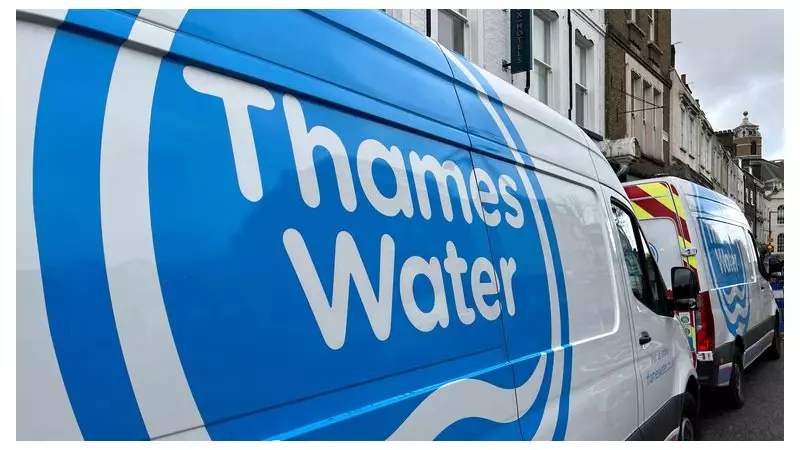
Britain's largest water supplier, Thames Water, has reported a further increase in its colossal debt burden even as it swung back into profit, driven by substantial hikes to customer bills.
Financial Results: Profit Returns as Debt Grows
The company revealed its net debt rose by 5% to £17.6 billion for the six months to the end of September. However, it recorded a post-tax profit of £328 million, a stark reversal from the £190 million loss suffered in the same period in 2024.
This return to profitability was powered by a 42% surge in revenue to £1.9 billion, largely due to the 31% increase in customer bills implemented since April. Thames Water stated that these higher bills enabled it to boost capital investment by 22% to £1.3 billion. Despite the improved revenue, the firm said its profitability was still being damaged by higher debt servicing costs.

Customer Complaints Surge Amid Operational Gains
The financial results come with significant customer relations challenges. While complaints about waste services fell by 11%, the company logged a dramatic 42% increase in complaints related to rising bills.
Operationally, Thames Water pointed to some improvements. It reported a 20% reduction in pollution incidents over the half-year and said its performance on reducing leaks had held steady despite an extremely dry summer.
The Rescue Deal and Regulatory Scrutiny
These figures are published against the tense backdrop of ongoing negotiations over a proposed rescue deal. A consortium of major creditors, known as London & Valley Water and including investment giants Elliott Management and BlackRock, is seeking regulatory approval to take control.
The consortium effectively already owns Thames Water following a financial restructuring agreed earlier in the summer. However, the regulator Ofwat must still decide whether to allow the group to run the company. This decision is critical to avert the prospect of the utility being placed into a special administration regime, which would wipe out the creditors' investments.
The prospective deal would involve writing off billions of pounds of debt and injecting fresh equity. In return, the creditors seek an adjustment to Ofwat's approach to future financial penalties. Thames Water has described this as the only viable solution.
Chief Executive Chris Weston said the company had made good progress on its operational targets while managing the recapitalisation. He emphasised that a market-led solution was in the best interests of customers and the environment, but warned the full transformation of Thames Water would take at least a decade to complete.