Smart Technology and Temperature Control
UK households can achieve significant savings on their energy bills while maintaining warmth through several practical measures. Sarah Pennells, consumer finance specialist at Royal London, emphasises that small changes can make a substantial difference to both comfort and costs.
Installing a smart thermostat represents one of the most effective upgrades, connecting your heating system to the internet for remote control via mobile apps. These devices typically cost between £60 and ££250 and offer features including multi-room control, hot water scheduling, and geofencing technology that automatically adjusts heating based on your location.
Options range from self-install models like the Bosch Room Thermostat II at £69.99 to professionally fitted systems such as the Hive Thermostat V4 at £155. Energy suppliers sometimes offer discounts, like Octopus Energy's partnership with tado° providing up to 50% off smart thermostat kits.

Strategic Temperature Adjustments
According to the Energy Saving Trust, reducing your thermostat from 22°C to 21°C can save approximately £90 annually for typical British households. Most people find temperatures between 18°C and 21°C comfortable, though Citizens Advice cautions elderly residents or those with health conditions against setting thermostats below 21°C.
The charity also notes that maintaining constant low heating costs more than running it at slightly higher temperatures for shorter periods. Programming your heating to switch off 30 minutes before leaving home or sleeping provides additional savings without compromising comfort.
Boiler and Radiator Optimisation
For combi boiler owners, adjusting the flow temperature - the heat level of water circulating to radiators - can yield substantial gas bill reductions. Many boilers default to 75-80°C, but lowering this to around 60°C rarely affects perceived warmth while cutting costs. Nesta provides an online tool with detailed adjustment instructions, recommending photographing original settings before changes.
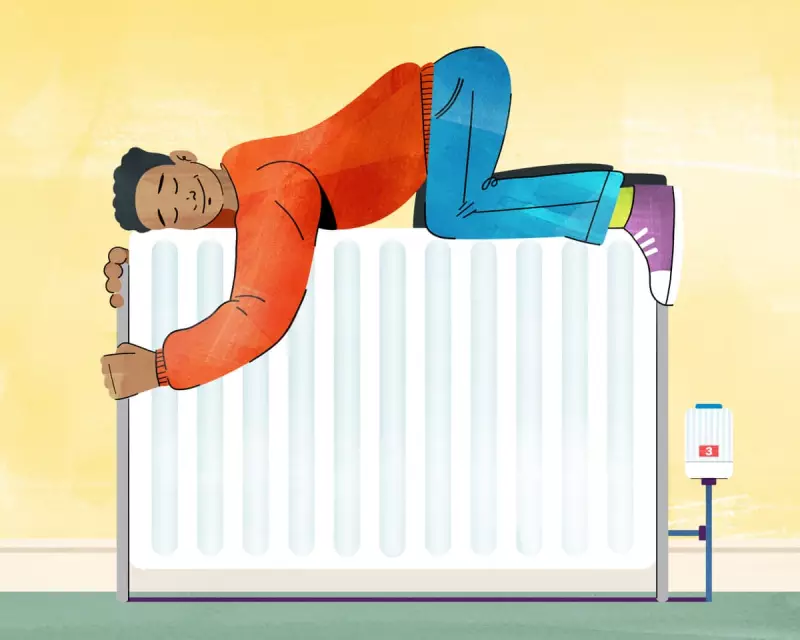
Thermostatic radiator valves (TRVs) enable room-specific temperature control, with scales from 0 (off) to 6 (fully open). The Energy Saving Trust suggests setting frequently used rooms to 3 or 4, less-used spaces to 2 or 3, potentially saving £35 yearly when combined with programmers and thermostats.
Sophie Burr of National Energy Action warns against completely turning off heating in unused rooms, explaining that maintaining radiators at setting 2 prevents mould growth that could worsen respiratory conditions.
Additional Efficiency Measures
Radiator reflectors represent a cost-effective solution, bouncing heat back into rooms rather than allowing external walls to absorb it. With approximately 35% of room heat lost through walls, foil backing proves particularly beneficial on uninsulated surfaces. Screwfix sells 1.88 square metre rolls for £7.51, while B&Q offers 5 square metres for £14.97.
Regular radiator bleeding ensures efficient operation using inexpensive keys available for £3.50 per two-pack from B&Q. Avoid positioning furniture or curtains directly against radiators, especially beneath windows, to enable optimal heat distribution.
Annual boiler servicing improves efficiency and extends lifespan, with unserviced boilers potentially using 10% more energy. Standard services cost £70-£110 according to Which?, though monthly cover plans might prove more expensive than paying for individual services. Landlords must legally arrange annual Gas Safe or Oftec-certified engineer inspections for rental properties.