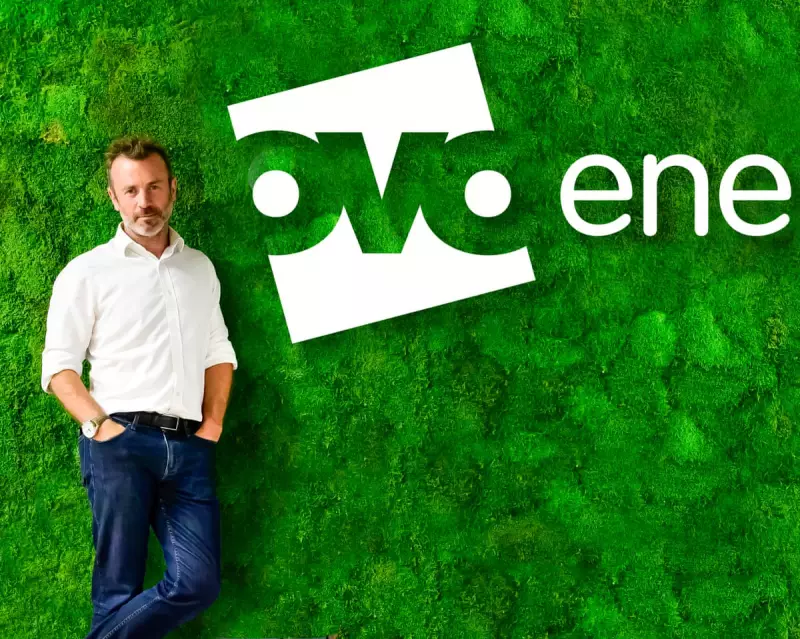
The story of Ovo Energy's dramatic shift from celebrated market disrupter to a company fighting for its financial future is a stark tale of a fall from grace. Founded in 2009 by Stephen Fitzpatrick as a green alternative to the legacy 'Big Six', the supplier now warns of doubts over its viability and is cutting hundreds of jobs.
A Tone-Deaf Moment and a Precipitous Fall
The company's reputation took a severe hit during the 2022 energy cost crisis. As households braced for freezing temperatures and soaring bills, Ovo published advice suggesting people try "doing a few star jumps" or "having a cuddle with your pets" to keep warm. Consumer groups branded the suggestions insulting and offensive. For many, this gaffe marked a turning point, symbolising how the once-critical outsider had become out of touch.
This misstep came shortly after Ovo had completed its acquisition of SSE's energy supply business, a deal that catapulted it into the major league of UK energy suppliers and made Fitzpatrick one of Britain's wealthiest individuals. The company founded to criticise poor service now appeared insensitive to the very struggles it was meant to alleviate.

Financial Strain and a Revolving Executive Door
Ovo's latest accounts reveal significant doubts about its ability to continue as a going concern, having failed to meet the regulator's new financial resilience standards. These rules were implemented after the 2021-22 energy crisis, which saw dozens of providers collapse under rocketing wholesale prices.
The supplier is now poised to cut around 200 jobs as part of a cost-saving plan submitted to Ofgem to prove compliance. An Ovo spokesperson stated the changes aim to build "a stronger, more resilient business" that meets regulatory requirements.
Simultaneously, the company has experienced a revolving door of senior executives. Former Just Eat chief David Buttress stepped down as CEO after just 18 months, as did CFO James Davies. They are being replaced by longstanding loyalists: former CEO Chris Houghton returns to the top role, while Simon Todd, a deputy, is expected to take the finance helm. This shake-up follows the recent appointment of ex-Virgin Money boss Dame Jayne-Anne Gadhia to the board.
The Uphill Battle for Investment and Controversial Payments
Central to Ovo's troubles is its struggle to raise £300 million in fresh investment. This capital is needed to satisfy Ofgem and to replace Mayfair Equity Partners, a major shareholder looking to sell its 30% stake. Potential investment talks with groups like Norway's Verdane and buyout firm Permira have reportedly fallen through. Iberdrola, owner of Scottish Power, also held tentative discussions about a tie-up that led nowhere.
Despite these financial pressures and the high bills still facing customers, Ovo has continued to pay millions annually to a company owned by Fitzpatrick. Since 2014, the supplier has paid Imagination Industries for the right to use the Ovo brand, in an arrangement similar to Richard Branson's Virgin licensing. Royalty fees, typically between £2.5m and £7m annually, ballooned to £24m in 2022 and £40m in 2023 during the crisis peak.
Total payable royalties outlined in accounts reach £122m. Last year, Fitzpatrick agreed to sell the brand licence to Ovo Energy itself for shares worth £150m, waiving the 2023 £40m fee. This transaction suggests the scheme could have generated over £272m in value for the founder.
Why Investors Are Wary
Analysts point to two key reasons for Ovo's investment challenge. First, the already slim margins in energy supply have been squeezed further by political pressure to keep bills down. "Energy suppliers can easily find themselves in the crosshairs of politicians," says veteran analyst Martin Young, noting the sector lacks the regulatory certainty of energy networks.
Second, Ofgem's tougher financial rules are deterring investment. New 'capital targets' require suppliers to hold £115 in reserve for every customer as a buffer against market shocks. Ovo and others argue this creates 'dead capital' that puts off investors. A senior industry source criticised Ofgem for a "kneejerk reaction" it has failed to correct.

Ofgem defends its stance, stating the sector's financial resilience has improved dramatically, protecting consumers while allowing suppliers to invest in service and innovation. The regulator expects companies to act responsibly and in customers' best interests.
As Ovo Energy navigates this perfect storm of regulatory pressure, investor scepticism, and reputational damage, its journey from wunderkind to warning sign serves as a potent case study in the volatile UK energy market.