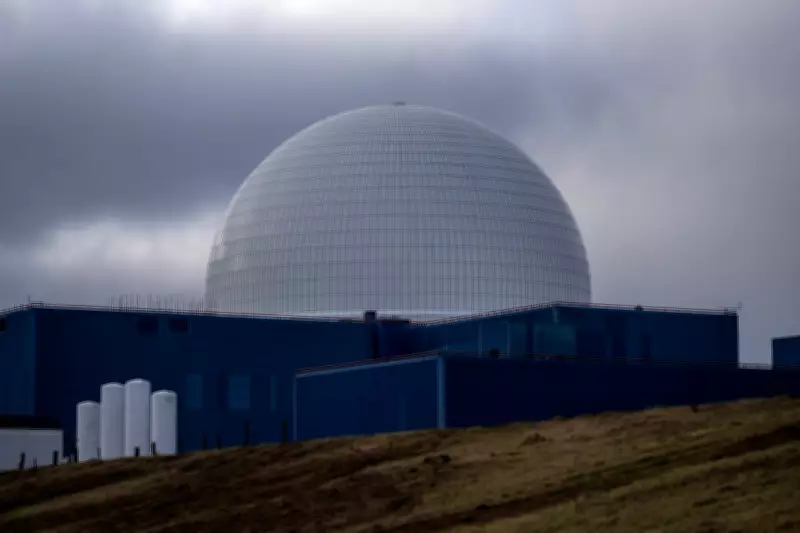
Activists are intensifying pressure on the Labour Party to endorse nuclear energy as a cornerstone of Britain's future power grid. This push comes amid growing concerns over energy security and the limitations of renewable sources alone.
The Urgent Need for Nuclear Power
Renewable energy was initially hailed as the solution to shield the British grid from unexpected energy disruptions. However, its effectiveness has been hampered by a straightforward issue: reliance on gas to compensate for shortfalls during periods of calm or cloudy weather. For genuine energy independence, the grid requires a reliable, low-carbon backup source that remains unaffected by the actions of unstable foreign nations. Nuclear power stands out as the sole viable candidate to fulfill this role.
Historical Lessons from France
Britain should have absorbed crucial lessons from past energy crises. Following the 1973 OPEC oil shock, France made a strategic decision to never again be vulnerable to erratic fossil fuel markets. The country constructed 56 nuclear reactors over 25 years, famously promoting this initiative with the slogan, "In France, we do not have oil, but we do have ideas." Today, nuclear energy accounts for 65 percent of France's electricity production.

In stark contrast, Britain has managed to build only one reactor in the same timeframe. The Hinkley Point C project exemplifies the nation's regulatory stagnation. Approved in 2016 with an initial budget of £18 billion and a completion target of 2025, it remains approximately four years away from generating power. Adjusted for inflation, the cost has ballooned to £49 billion, earning it the title of the world's most expensive reactor.
Regulatory and Planning Challenges
The Fingleton Taskforce has issued stark warnings about the regulatory obstacles plaguing British nuclear initiatives. Currently, nuclear projects must navigate up to eight distinct regulatory bodies, endure planning disputes that span multiple years, and operate within a legal framework where local objections can delay nationally critical infrastructure for extended periods.
While regulatory reforms are a necessary first step, and planning guidelines can be revised from Whitehall, government ministers cannot prevent local residents from organizing opposition to nuclear reactor constructions. Such mobilization is anticipated to be vigorous and widespread.
Addressing Public Safety and Environmental Concerns
Nuclear infrastructure provokes a more intense public reaction than nearly any other type of development. Vivid memories of Chernobyl's melting reactors must be countered with a compelling and practical vision for Britain's energy future. To achieve this, the safety and environmental worries of nuclear Nimbys must be confronted directly.
Regarding safety, the incidents that have shaped public perception involved outdated reactor designs and, in two cases, severely deficient regulatory systems. Modern pressurised water reactors are among the most extensively researched infrastructure globally. Statistically, nuclear power's safety record, measured in fatalities per unit of energy generated, surpasses that of oil, gas, and coal, and is on par with wind and solar energy.
On environmental grounds, both offshore and onshore wind farms impose greater encroachment on British coastlines and rural areas, impacting local wildlife more significantly. With contemporary engineering, the risks associated with nuclear waste are largely exaggerated, akin to fictional scenarios. Moreover, the carbon dioxide emissions from gas plants, which are continually needed to supplement variable renewable sources, will have a more detrimental effect on nature than the expansion of nuclear power.
Political Implications and Future Prospects
The Labour Party may have lost touch with the national sentiment, but political entities with dwindling capital possess a unique advantage: they have little left to lose. This presents an opportune moment for Labour to advocate strongly for nuclear energy. Britain failed to seize its chance during the 1973 crisis. In 2026, the country cannot afford to waste another critical juncture.

As the long-awaited deregulation of the British nuclear sector commences, the government must brace for a confrontation with Nimbys, fueled by fears reminiscent of Fukushima and mythical three-eyed fish. This opposition is expected to be as forceful as it is misguided. With rising energy bills and increasing subsidies for renewables, British faith in an exclusively renewable energy strategy is diminishing. It is time for nuclear power to become integral to the collective vision of an independent, robust, and thriving nation.