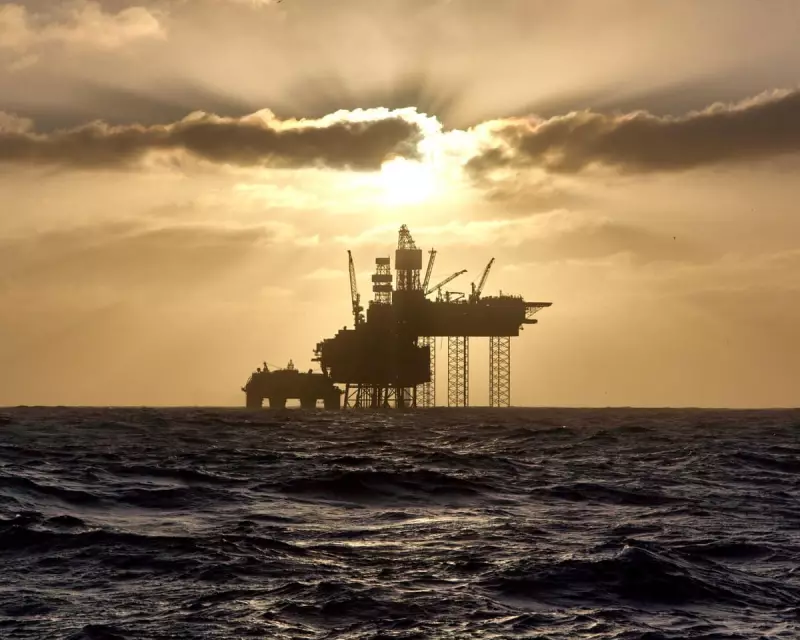
Spending in the North Sea oil and gas industry has suffered a dramatic collapse, falling from over $35 billion annually in 2015 to approximately $15 billion in 2023, according to official government data released alongside the recent budget statement.
Government Confirms Drilling Restrictions
Energy Secretary Ed Miliband has formally confirmed the government's crackdown on new North Sea oil and gas exploration, delivering on Labour's election pledge to end new licensing for unexplored fields. The strategy paper explicitly rules out both new exploration licences and tax reductions for fossil fuel companies despite the sector's accelerating decline.
However, the policy does include a significant concession: new offshore fossil fuel projects will be permitted if they connect to existing fields through "tie-back" arrangements. This approach aims to balance climate commitments with protecting employment in the struggling industry.

Industry Warns of Economic Consequences
The Offshore Energies UK (OEUK) association has issued stark warnings about the policy's potential impact. Chief Executive David Whitehouse stated that the government has effectively turned down £50 billion of potential investment and condemned what he described as a path that would see "1,000 jobs continue to be lost every month."
The employment statistics reveal the scale of the sector's contraction. The total North Sea workforce, including both direct and indirect jobs, has more than halved from approximately 450,000 in 2015 to around 200,000 today. Analysts at investment bank Stifel predict this number will halve again before 2030 under the current fiscal regime.
Tax Revenue Projections Plummet
Official forecasts from the Office for Budget Responsibility indicate severe consequences for Treasury revenues. Tax receipts from the industry are expected to fall by more than 41% to £2.7 billion this financial year, representing a £2.5 billion reduction from March forecasts.
By the decade's end, tax revenues are projected to collapse to just £300 million under the maintained windfall tax structure. Oil and gas producers currently face a combined tax rate of 78% on their profits, introduced during the energy crisis when market prices surged.
Environmental groups have welcomed the government's stance, with Greenpeace UK's co-executive director Areeba Hamid describing it as recognition that "the future of Britain's energy is and needs to be clean, stable, homegrown renewables." However, campaigners have criticised the £20 million jobs package as insufficient to support workers through the transition.
The controversial Rosebank oilfield represents the next significant test for the government's energy policy, with a decision expected early next year. Although the project secured exploration approval under the previous administration, Miliband retains authority to grant final approval without violating Labour's manifesto commitments.