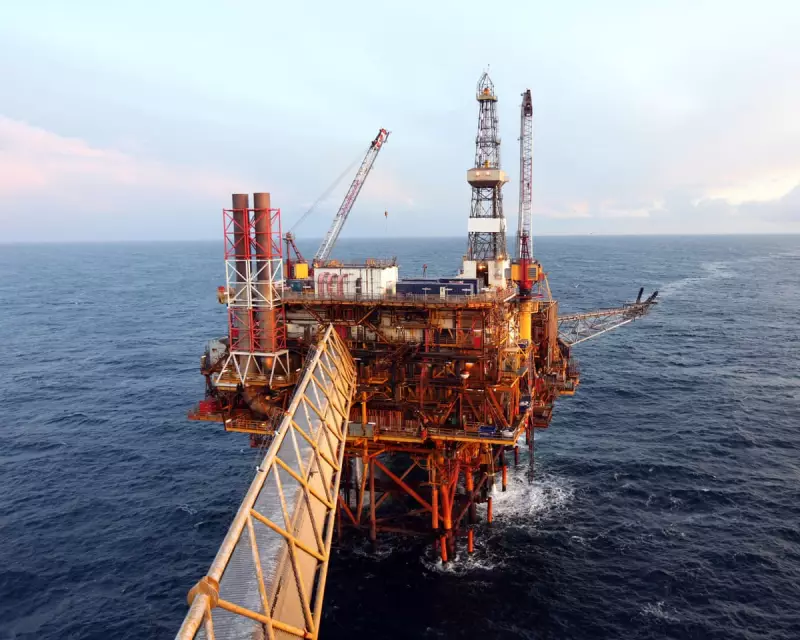
Labour's approach to North Sea oil and gas production remains deeply contradictory, creating uncertainty for both industry and workers. While the party pledged no new exploration licences in its manifesto, it promised to manage existing fields for their entire lifespan without jeopardising jobs.
The Licensing Compromise
Energy Secretary Ed Miliband's department has introduced transitional energy certificates for limited drilling in existing fields or adjacent licensed areas. This pragmatic approach aims to maintain economic viability by utilising current infrastructure like rigs and pipelines.
The policy recognises Britain's continued dependence on fossil fuels, with oil and gas still meeting three-quarters of UK energy needs. Allowing tieback projects prevents accelerated decline in North Sea production while supporting the supply chain needed for renewable energy development.

The Tax Problem
However, Chancellor Rachel Reeves has maintained the energy profits levy (EPL) at its current rate until 2030. This windfall tax creates a 78% marginal tax rate in the North Sea, making the UK uncompetitive according to industry representatives.
Trade group Offshore Energies UK warns that 1,000 jobs are disappearing monthly from the sector, with the EPL being the primary cause of reduced investment. They argue that even pragmatic licensing cannot overcome the tax burden's impact on projects and employment.
Conflicting Government Objectives
The situation creates a fundamental policy conflict. While the energy department seeks to extend production through flexible licensing, the Treasury's tax policy discourages the very investment needed to achieve this.
This lack of coordination makes it difficult to understand the government's overall energy strategy. Notably absent are clear production targets for the North Sea, which would seem essential for a managed transition plan.
The government faces mounting pressure to resolve this contradiction before more jobs and investment are lost to competing energy markets.