Residents in Tunbridge Wells, Kent, have taken a stand against what they describe as a state of "water limbo," following significant and repeated outages that have plagued the area. A special meeting was held this week, organised by the newly formed Dry Wells Action group, to voice frustrations and demand solutions from South East Water (SEW).
Growing Anger and Community Mobilisation
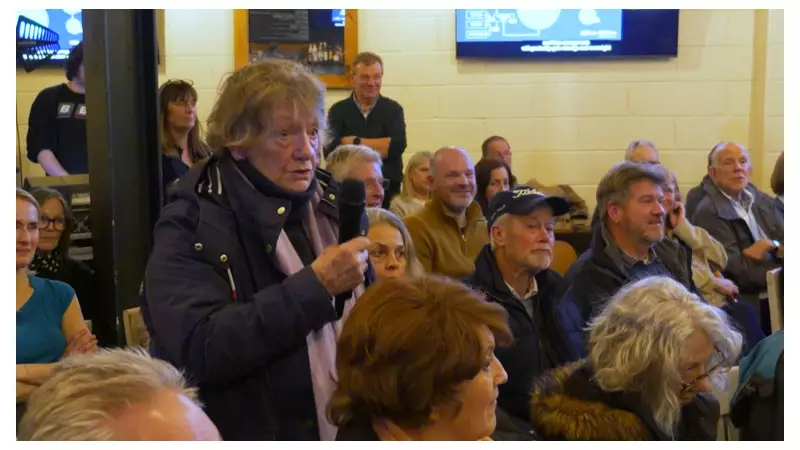
Over 100 locals packed into a bar for the meeting, where organiser Jonathan Hawker expressed the collective sentiment, stating, "They have left us in water limbo, and that's no way to live in 2026." This gathering marks the first major public response to years of disrupted water supplies in Kent and East Sussex, which escalated during the winter months of December and January.
Despite most households now being reconnected, the lengthy outages have left residents fearing that further water cuts are inevitable. The absence of a representative from SEW at the meeting only fuelled the discontent, with attendees criticising the company's communication as "tragic" and calling for greater transparency.

Impact on Daily Life and Essential Services
The water crisis has had severe repercussions beyond mere inconvenience. Syed Ahmed, a consultant hip surgeon, highlighted the dire consequences, explaining that he had to cancel NHS clinics due to school closures caused by the outages. "I've had to choose between managing my kids and clinical services," he said, noting the potential impact on patients in pain and the risk to lives.
In the education sector, Hannah Knowles, principal of Skinner's Academy in Tunbridge Wells, revealed the financial and logistical burdens faced by her school. She spent £6,000 on portable toilets to ensure mock exams could proceed, with total contingency costs estimated at £20,000. Knowles criticised SEW's performance, rating it zero or in negative numbers, and demanded reimbursement, arguing that failure to do so would deprive young people of resources.
Calls for Accountability and Systemic Change
The frustration in Tunbridge Wells has sparked a broader movement for change. Residents are demanding answers and accountability, with repeated calls for the resignation of SEW's chief executive, David Hinton. His recent appearance before MPs, where he rated the company's incident response as 8/10 and communications as 6/10, has only added to customer irritation.
Jo Dobson, a founder member of the Dry Wells campaign, warned that the situation is likely to worsen without significant intervention. "It is not just investing in the infrastructure; it needs a complete overhaul," she asserted, expressing hope that action in Kent could inspire similar efforts nationwide.
Broader Implications and National Context
This local crisis reflects wider issues in the UK's water management. While the government has proposed plans for a new regulator and stricter checks on water companies, there is growing support for more radical measures, including taking water companies back into public ownership. The drumbeat for change is particularly loud in affluent areas like Tunbridge Wells, where residents feel neglected and mistreated.
As the community continues to fight back, the focus remains on securing reliable water supplies and holding SEW accountable for its failures. With compensation promised but concerns about accessibility, the battle in Kent underscores the urgent need for systemic reform in the water sector.