Japan Announces Second Strategic Oil Reserve Release
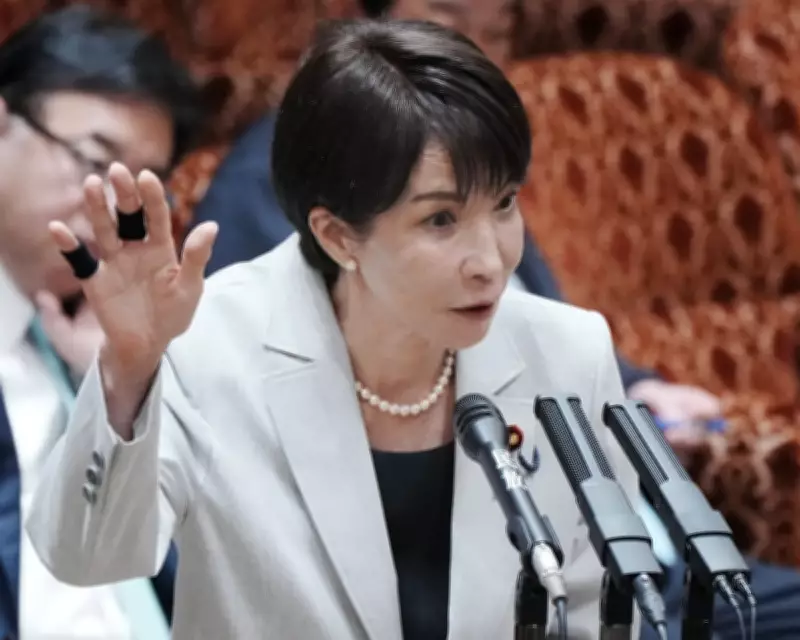
Japan has confirmed it will release additional oil from its national reserves starting in early May, marking the second time the country has tapped into strategic supplies since the US-Israel war on Iran began in February. Prime Minister Sanae Takaichi announced the decision on Friday as concerns intensify over potential energy shortages stemming from the ongoing Middle East conflict.
Addressing Energy Security Concerns
The upcoming release will involve approximately 20 days' worth of oil from Japan's national reserves, according to Takaichi's announcement at a ministerial meeting focused on the regional crisis. This follows a significant release in March when the government approved the distribution of 50 days' worth of oil - the largest such release in Japan's history - in an effort to prevent price spikes and ensure stable supply.
Japan maintains substantial oil reserves capable of sustaining the nation for 230 days, but faces particular vulnerability due to its heavy dependence on Middle Eastern crude. The country imports approximately 95% of its oil from the region, with most shipments passing through the strategically vital Strait of Hormuz.

Diversifying Supply Routes
Amid uncertainty about whether the Strait of Hormuz will fully reopen following a two-week conditional ceasefire announced by Donald Trump, Japan is actively pursuing alternative supply routes. Takaichi indicated that by May, Japan should secure more than half of its oil imports through channels bypassing the troubled waterway.
The industry ministry has identified several potential new import sources, including Yanbu on Saudi Arabia's Red Sea coast and the Port of Fujairah in the United Arab Emirates. Japan has also initiated contact with suppliers in the United States, Malaysia, and various countries across Central Asia, Latin America, and Africa to diversify its energy procurement network.
Domestic Allocation Priorities
The government has instructed domestic suppliers to prioritize sales of stockpiled fuel to critical sectors of the economy, including healthcare, transportation, and agriculture. This targeted approach aims to ensure essential services maintain operations during potential supply disruptions.
Japan's oil reserve system comprises both state-owned and private sector components, with approximately 143 days' worth of reserves held by the government and the remainder controlled by private companies and oil-producing Gulf nations.
Political Pressure and Constitutional Constraints
The decision to access oil reserves for a second time coincides with mounting pressure on Japan's government to resist American calls for military involvement in the Middle East conflict. More than 100 demonstrations occurred across Japan on Wednesday, with protesters urging Takaichi to uphold the country's postwar constitution, which prohibits the use or threat of force in international disputes.
An estimated 30,000 demonstrators gathered outside the National Diet building in Tokyo, many carrying banners supporting Article 9 of the constitution - the war-renouncing clause that has defined Japan's postwar foreign policy. Concerns have grown that Takaichi might leverage her party's substantial majority in parliament's lower house to pursue constitutional revisions since the conflict began.
Last month, Takaichi declined a request from Donald Trump to deploy Japanese Maritime Self-Defence Forces to the Strait of Hormuz, citing potential constitutional violations. Trump subsequently criticized Japan and South Korea for remaining outside the conflict, specifically mentioning during a press conference that "Japan didn't help us" despite American military presence in the country.
Setsuko Sasaki, a first-time protester in Tokyo, expressed the sentiment of many demonstrators: "It is always ordinary civilians who suffer in wars, so I decided to come here to make my voice heard. I knew I would regret it if I did nothing."
The dual challenges of securing energy supplies while navigating complex geopolitical pressures continue to shape Japan's response to the escalating Middle East crisis.