Iranian Military Strikes Bring Global Oil Shipping to Near-Halt in Critical Strait
Iran has launched a series of counterstrikes against US allies across the Middle East, targeting oil facilities and severely disrupting maritime traffic through the Strait of Hormuz. This strategic choke point, barely 20 miles wide at its narrowest, typically handles approximately 20% of the world's oil supplies as vessels travel from the Gulf into the Indian Ocean.
Shipping Traffic Grinds to a Standstill Amid Security Fears
While Iran has not officially closed the vital waterway, shipping activity has effectively ceased due to mounting security concerns among oil companies, shipping firms, and their insurers. Marine traffic visualizations reveal a dramatic reduction in vessel movements over the weekend, with clusters of tankers anchored on either side of the strait awaiting developments.
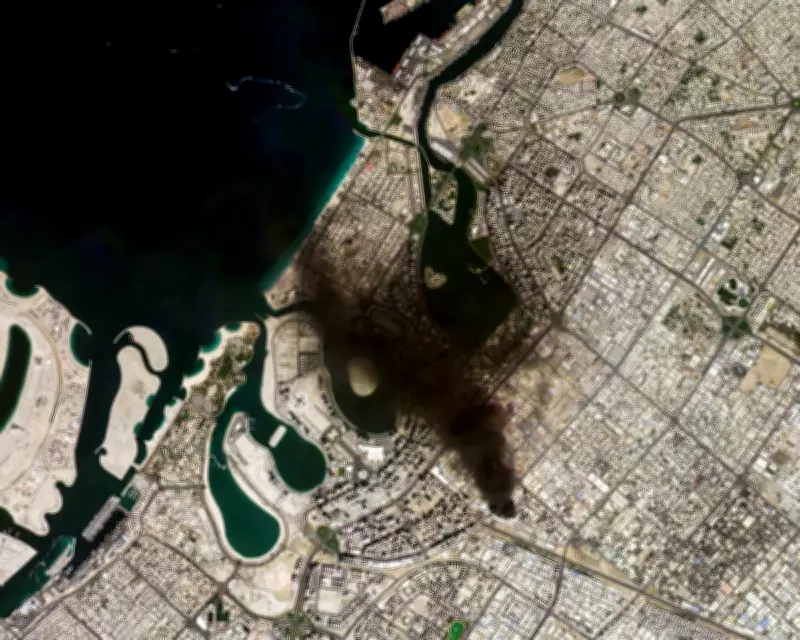
The disruption has already claimed casualties and damaged infrastructure. At least three tankers sustained damage over the weekend, resulting in one seafarer fatality. Dubai's Jebel Ali port, the world's busiest container port outside Asia, temporarily suspended operations after falling debris from an aerial interception ignited a fire at one of its berths.

According to shipping intelligence publisher Lloyds List, the number of cargo vessels navigating the strait plummeted from over 50 daily to just seven on Sunday. Iranian forces claimed responsibility for striking the Honduras-flagged fuel tanker Athe Nova with two drones on Monday, leaving the vessel ablaze.
Energy Infrastructure Under Attack Across the Region
The conflict has extended beyond maritime disruption to target critical energy infrastructure throughout the Middle East. Saudi Arabia's state-owned Aramco was forced to shut its Ras Tanura refinery on the country's east coast early Monday after debris from intercepted Iranian drones struck the facility. This refinery typically processes approximately 550,000 barrels of oil daily.
The liquefied natural gas sector has also suffered significant disruption. QatarEnergy, the world's largest LNG supplier, halted production Monday following apparent Iranian drone attacks. This development carries particular significance for European energy markets, as Qatar provides about 20% of global LNG supplies at a time when Europe continues efforts to reduce dependence on Russian gas.
Global Energy Markets React With Price Surges
The unfolding crisis triggered immediate reactions in global energy markets. Oil prices jumped more than 10% over the weekend, briefly surpassing $80 per barrel before settling slightly lower Monday. European gas prices reached their highest level since Russia's invasion of Ukraine in 2022, though they remain below their 2022 peak.
Market analysts express growing concern about potential prolonged impacts. Fiona Cincotta, senior market analyst at City Index, suggested US crude oil prices could reach $90 per barrel if traffic through the Strait of Hormuz does not resume promptly. Some experts predict Brent crude could soar to $100 per barrel should the conflict extend over several weeks.
Economic Implications and Inflationary Pressures Mount
The energy price increases threaten to reignite inflationary pressures just as Western economies were beginning to recover from the inflationary shock following Russia's invasion of Ukraine. Analysts at British asset manager Quilter estimate that a $10 increase in oil prices could add up to 40 basis points (0.4%) to consumer inflation and potentially reduce global GDP growth by up to 30 basis points if sustained.
Jim Reid, a Deutsche Bank analyst, noted that Monday's 8.2% oil price spike represented only the 38th largest daily increase since 1990, suggesting the current impact remains relatively modest. However, Jess Ralston of the Energy and Climate Intelligence Unit thinktank warned that "with many households still carrying debt from the last gas crisis, the spike in prices is a worrying sign that bills for both homes and businesses could rise again."

The conflict also presents geopolitical complications, potentially providing Russia with economic benefits as higher global energy prices could bolster the finances supporting its military operations in Ukraine. Last week, Kirill Dmitriev, an investment adviser to Vladimir Putin, predicted oil would soon reach $100 per barrel.
As the situation continues to evolve, the disruption to one of the world's most critical shipping corridors threatens to create ripple effects across global supply chains, energy markets, and consumer economies already grappling with persistent inflationary challenges.