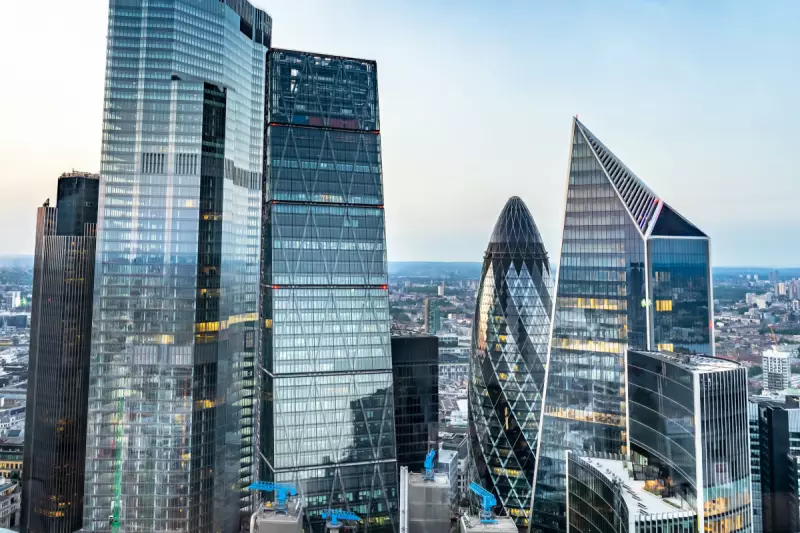
Beneath the bustling streets of the UK's cities, a vast and untapped resource is being wasted on a monumental scale. From data centres to supermarket refrigeration units, usable heat is generated constantly, only to dissipate into the air. In London alone, the annual heat wasted could satisfy 38 per cent of the city's total heating demand. Capturing this energy through district heating networks, or 'heat zones', presents a transformative opportunity for the nation's energy security and climate goals.
The European Blueprint for UK Success
As the UK prepares to designate and deliver new heat zones, including in the City of London, it can draw on proven models from across the Channel. Antony Meanwell, Director of Heat Zone Development at E.ON Energy Infrastructure Solutions, argues that a large-scale rollout could become one of the nation's most powerful tools for lowering bills and cutting carbon. The key lies in moving away from volatile global fossil fuel markets towards locally produced, low-carbon warmth.
This transition promises more than just environmental benefits. It can build a more stable, resilient, and affordable energy system while creating tens of thousands of skilled jobs and supporting greener, more liveable urban spaces. The shift represents the biggest single change to UK energy infrastructure for a generation, demanding close partnership between government, local authorities, business, and communities.

Lesson 1: Think Big, Not Building by Building
European experience, from cities like Malmö in Sweden, demonstrates that heat zones achieve maximum efficiency and impact when planned at scale. Large, connected networks serving entire neighbourhoods or districts allow for new developments to plug in seamlessly, without the constant need to re-dig roads. This scale builds investor confidence and makes it far easier to phase out fossil fuels in favour of cleaner heat sources over time.
Lesson 2: Tap Local, Low-Carbon Resources
The most successful European schemes are anchored by the resources readily available on their doorstep. This includes rivers, lakes, sewage systems, industrial processes, and energy-from-waste plants. A prime UK example is E.ON's Citigen network in the City of London. This system taps diverse sources, including the geothermal energy of the London Aquifer, to provide heating, cooling and power through a 12km pipe network to homes, offices, and iconic buildings like The Barbican and Guildhall.
Lesson 3: Create a Supportive Regulatory Framework
Replacing the national gas grid with heat networks requires billions in investment. To attract the necessary low-cost institutional finance, the UK needs a clear, long-term regulatory environment, supportive planning rules, and stable revenue models. Capital support to kickstart projects, combined with mechanisms to narrow the price gap between electric heat pumps and gas, can protect households while crowding in vital private investment.
Lesson 4: Coordinate to Cut Costs and Disruption
Laying new heat pipes involves digging up streets, but this disruption is also a once-in-a-generation chance to rethink urban infrastructure. Across Europe, construction is often coordinated with upgrades to other utilities, new cycle routes, greener walkways, and sustainable drainage. Aligning heat networks with wider regeneration plans cuts overall costs, reduces repeated disruption, and leaves neighbourhoods more resilient and attractive.
Lesson 5: Incentivise Customers to Connect
A network's effectiveness depends on the number and diversity of buildings connected to it. European cities combine clear connection expectations with strong, tailored support: energy audits, building efficiency upgrades, and integrated offers that bundle connection with solar panels, batteries, or smart controls. This helps customers see lower consumption alongside lower-carbon heat, strengthening the commercial case for the network.

Lesson 6: Invest in Skills and Green Jobs
Heat zones are a major opportunity to create long-term, high-quality employment. European programmes show how major infrastructure projects can be tied to apprenticeships, local supply chains, and targeted skills initiatives. For the UK, this means working with colleges and training providers to build the army of technicians, engineers, and digital specialists needed for the transition, ensuring benefits extend far beyond carbon and cost savings.
By learning from these European lessons and partnering with those who have delivered city-scale schemes, the UK can move rapidly from pilots to full-scale heat zones. The goal is clear: to turn wasted heat into a strategic asset that cuts bills, reduces emissions, boosts resilience, and creates a new green backbone for urban life, ultimately futureproofing our cities.