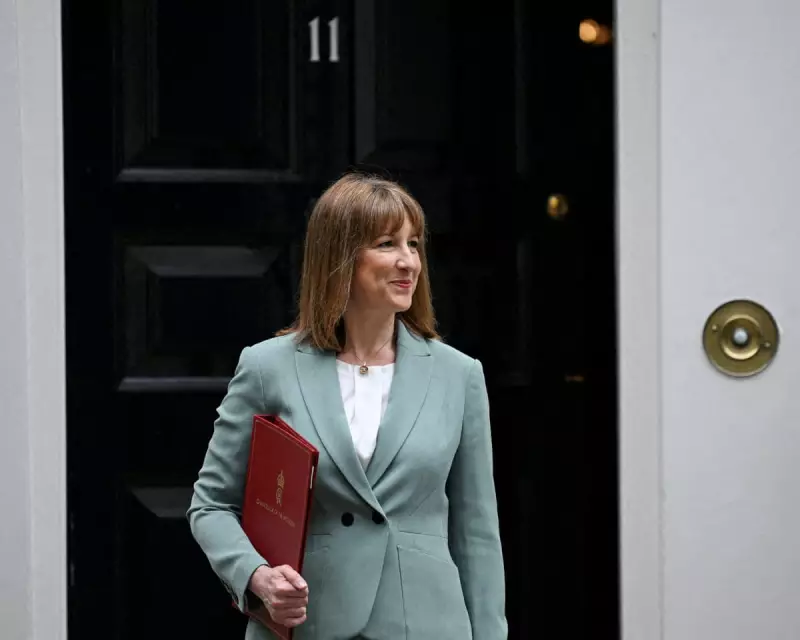
Chancellor Rachel Reeves is set to dramatically scale back subsidies for eco-friendly heat pumps as part of a budget package designed to tackle Britain's stubbornly high cost of living, with government sources warning the move could affect hundreds of thousands of homeowners.
Budget measures target energy bill reduction
The Treasury plans to announce a series of measures aimed at reducing household energy costs amid growing concerns that financial pressures are driving voters toward Reform UK. According to insiders familiar with budget preparations, Reeves intends to remove energy efficiency levies from bills and fund them through the government's existing warm homes plan instead.
This fundamental shift in approach will mean restricting heat pump subsidies so that only households receiving specific benefits can claim them, significantly reducing government costs. The subsidies, which can reach up to £7,500 per installation, have primarily been going to middle-class families who could often afford the transition without financial assistance.

Industry experts voice concerns
Energy specialists have raised alarms that withdrawing support could severely slow the country's transition from gas boilers to more expensive but environmentally cleaner heat pumps. Sam Alvis, head of energy and environment at the Institute for Public Policy Research, acknowledged the government's motivation while highlighting the risks.
"The urge to get bills down is the right one, everything should be on the table," Alvis stated. "The risk here is that, like winter fuel payments, the additional benefit of cutting support schemes for clean technology isn't noticed by the majority, but really is by those that lose out."
Leo Vincent, senior policy adviser at the E3G thinktank, delivered a more stark assessment: "If this is really what the government is planning, it is robbing Peter to pay Paul. This is a disastrous sticking plaster 'solution' that would let down working families across the country who need the security of predictable and low bills."
Vincent warned the move could leave Britain vulnerable to fossil fuel market manipulation, jeopardise thousands of jobs, and undermine the UK's climate action strategy.
Broader energy bill reduction strategy
Reeves and Prime Minister Keir Starmer have been exploring methods to reduce energy bills by an average of £170 annually, having previously pledged a £300 reduction during their election campaign. One key element involves scrapping the 5% VAT charge on domestic energy bills, estimated to cost the Treasury £2.5 billion per year while saving consumers approximately £86 annually.
The remaining savings will come from cutting government-imposed levies on energy bills, including the Energy Company Obligation (ECO). This levy currently funds energy efficiency schemes for low-income households, covering measures like insulation and more efficient boilers.
To qualify for ECO support, homeowners must reside in properties with poor efficiency ratings and either have a household income below £31,000, receive specific benefits, or have long-term health conditions.
The scheme has faced recent criticism after a report found that nearly all external insulation installed under its framework was fitted so inadequately that repairs or replacements will be necessary.
Redirected funding and political calculations
Rather than eliminating ECO subsidies entirely, ministers plan to incorporate them into the existing warm homes plan - a £13 billion fund for insulation and boiler schemes accessible to a much broader segment of the population.
Those involved in the budget process confirm this change will restrict heat pump subsidy eligibility exclusively to those who qualify for ECO, removing access for hundreds of thousands of middle- and higher-income households. The shift is also expected to reduce funding for home insulation as the scheme pivots toward clean technologies like solar panels and battery storage.

A government source defended the approach, characterising existing heat pump subsidies as unaffordable payments to wealthy families that cannot be justified in a budget focused on alleviating cost of living pressures for poorer households.
Senior officials are reportedly concerned about potential political fallout from Reeves's plans to raise income tax in the budget and are counting on energy bill reductions to reassure financially strained voters.
In another example of the chancellor targeting benefits for middle-class voters, Reeves also plans to cap funding for the cycle to work scheme, preventing workers from using it to purchase expensive tax-free bicycles.
The Treasury has declined to comment on the proposed measures ahead of the official budget announcement.