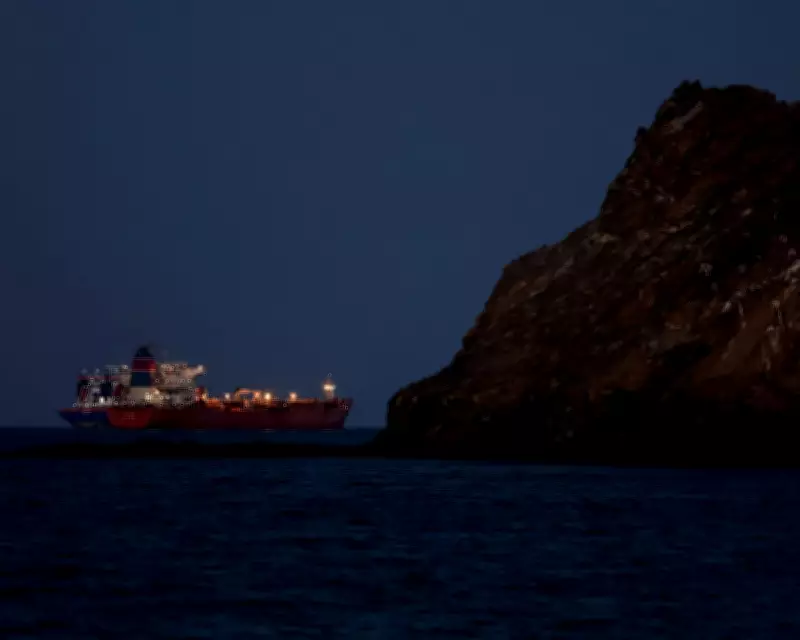
Gulf Nations Firmly Oppose Iran's Proposed Toll System for Hormuz Transit
Gulf countries continue to express strong opposition to Iran's proposal for a formalized toll arrangement governing transit through the strategically vital Strait of Hormuz. This diplomatic standoff unfolds against a backdrop of persistently high global oil prices, with market analysts projecting a lengthy recovery period even if hostilities were to cease immediately.
Ceasefire Hopes Dashed as Regional Tensions Persist
Initial optimism for a swift resumption of shipping through the critical waterway was short-lived. Following the announcement of a two-week ceasefire between the US and Iran, Israeli military actions in Lebanon prompted a reported halt to traffic through the strait by Iranian authorities. This sequence of events underscores the fragile and complex nature of regional stability.
The global benchmark, Brent crude, experienced a dramatic plunge of approximately $20 per barrel, briefly touching near $90, after news of the ceasefire deal emerged mid-week. This represented the most significant single-drop in six years. However, prices have since rebounded, climbing back above $97 a barrel, reflecting deep-seated market skepticism regarding the durability of the truce.

Analysts Warn of a Protracted Recovery Timeline
Leading commodity strategists emphasize that the path to normalized oil markets remains arduous and extended. Helima Croft, head of global commodity strategy at RBC Capital Markets, highlighted the Gulf nations' resistance to any formal toll agreement with Iran's armed forces for strait access. She noted that the mechanics of reopening the strait would be "exceedingly messy," potentially granting Iran significant influence over exports until alternative routes are developed.
Robert Rennie of Westpac concurred, stating that the war's impact would outlast the cessation of active conflict. "Even if we do manage to hold a stable ceasefire with a coordinated reopening of the strait of Hormuz, it will take months before shuttered wells are reopened, crews and vessels are in the right places, refineries are fully repaired and restocked, and fuels shipped to the countries that really need it," Rennie explained.
Infrastructure Damage and Supply Chain Bottlenecks
The International Energy Agency estimates that approximately 9 million barrels of oil per day, equating to roughly 9% of global supply, are currently paused, awaiting safe passage. While some production could restart within weeks, full restoration is a longer-term prospect. For instance, Kuwait Petroleum has indicated that restoring full output from its shut-in wells could require three to four months.
Vivek Dhar, a commodity strategist at the Commonwealth Bank of Australia, outlined a potential six to twelve-month window for supply-side normalization if the conflict ended immediately. He warned of a permanent additional "geopolitical premium" on Middle East energy exports. The risks increase the longer infrastructure remains idle, with potential issues like water intrusion or corrosion complicating reactivation efforts. "We could be talking six months or just under a year, and that's for limited damage," Dhar cautioned.
Diverging Fuel Price Trends in Australia
The conflict's ripple effects are evident in Australian fuel markets, though unevenly. Diesel prices surged by 20 cents a litre in a two-day period, reaching new record highs around $3.24, effectively erasing the relief from recent tax cuts. In contrast, unleaded petrol prices, while still elevated at approximately $2.25 per litre in major cities, remain about 30 cents below their March peaks. This divergence highlights the complex interplay between global crude prices and regional refined product markets.
Long-Term Outlook for Natural Gas
The recovery timeline appears even more protracted for liquefied natural gas (LNG). The Ras Laffan facility in Qatar, the world's largest gas liquefaction plant, has been offline since early March following attacks. Qatari owners have reportedly suggested the facility could be sidelined for two to three years, indicating a severe and lasting disruption to global energy supplies.

As governments, including Australia's, prepare budgets accounting for prolonged economic consequences, the message from experts is clear: stability in the Strait of Hormuz is just the first step in a long, uncertain journey back to pre-conflict energy market conditions.