Recent inflation statistics have delivered sobering news for Australian households, revealing an economy still grappling with the global energy price shock triggered by Russia's invasion of Ukraine. The latest figures show inflation climbing from 3.6% to 3.8%, with energy costs positioned squarely at the epicentre of this economic pressure.
A New Era for Inflation Measurement
October marked a significant turning point in how Australia tracks price movements. The Australian Bureau of Statistics has transitioned from quarterly to monthly Consumer Price Index reporting, bringing the nation in line with most OECD countries. This shift represents the most substantial change to economic data collection since the labour force statistics made a similar move in 1978.
The new monthly data provides more frequent insights for the Reserve Bank and government policymakers. However, the transition has revealed some complexities. Under the new official measurement, inflation appears slightly higher than previous estimates suggested. The critical trimmed mean measure of underlying inflation now stands at 3.3%, whereas older methodologies indicated it was below 3%.

The Energy Price Rollercoaster
The most dramatic story within the inflation data concerns electricity prices. Over the past year, electricity has been the single largest driver of inflation growth. Yet in a confusing twist, October actually saw electricity prices fall by 10.2%.
This apparent contradiction stems from government intervention. In July 2023, the Albanese government introduced energy rebates to shield consumers from the worst effects of price spikes linked to the Ukraine conflict. States joined this effort in July 2024, with October 2023 recording the most substantial impact of these combined federal and state rebates.
As these support measures began to unwind over the past twelve months, prices naturally climbed. The recent extension of rebates across multiple areas in August 2024 caused the sharp October decline. Despite this temporary relief, electricity prices remain substantially higher than their levels from October last year.
The Global Gas Connection
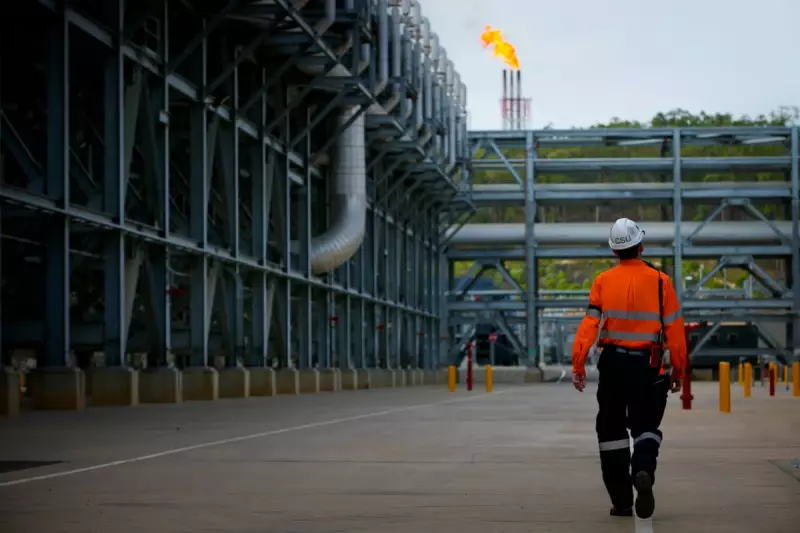
Why does a European conflict so dramatically affect Australian energy bills? The answer lies in Australia's integration into global energy markets. Since the opening of the Gladstone LNG terminal, gas prices on Australia's eastern seaboard have become directly linked to international pricing.
When Russia invaded Ukraine and subsequent sanctions restricted Russian gas exports, global prices skyrocketed. World gas prices doubled between January and September 2022, creating a ripple effect that reached Australian shores.
The problem is compounded by how Australia's national energy market operates. Gas generates a significant portion of Australia's electricity, but it ranks among the most expensive sources. The market mechanism means the most expensive power source needed to meet demand at any moment sets the electricity price for all suppliers.
When renewables meet 100% of demand, they determine the cost, resulting in lower prices. However, gas frequently sets the price because it's often the marginal source needed to balance supply and demand. This creates a powerful link between international gas prices and domestic electricity costs.
Profits and Policy Shortfalls
While households struggle with energy affordability, gas companies have experienced unprecedented windfalls. The value of Australia's gas exports has nearly quadrupled over the past decade. This boom, however, has not translated into significant government revenue through the petroleum resource rent tax, which has actually declined during this period of record corporate profits.
Without government rebates, analysis indicates electricity costs would be approximately 31% higher today. While the absolute price would be dramatically greater, the rate of price growth would appear lower because the comparison wouldn't be against the rebate-suppressed prices of October 2023.

The latest inflation figures offer little comfort to the Reserve Bank, government policymakers, or budget-conscious households. They do, however, continue to benefit energy and gas producers who enjoy substantial profits largely unaffected by Australia's current tax structure. As global instability continues to influence domestic markets, Australian consumers remain caught between international conflicts and inadequate policy responses.