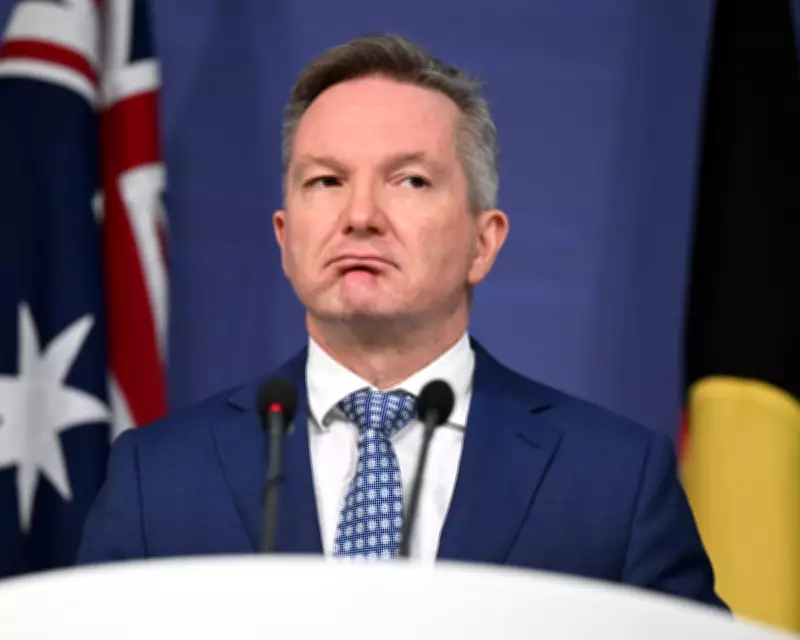
Australian Minister Warns Fuel Prices Won't Fall Immediately Despite Iran Ceasefire
Australian Energy and Climate Change Minister Chris Bowen has issued a stark warning to motorists, stating that fuel prices will not decrease immediately despite the recent ceasefire between the United States and Iran. This caution comes as petrol prices rise again across major Australian cities, with diesel wholesale prices reaching unprecedented record highs.
Fuel Prices Continue Upward Trend
Average unleaded petrol prices increased in several cities on Wednesday for the first time since late March, according to the latest data from MotorMouth. Perth saw prices climb to 227 cents per litre, Hobart reached 225.7 cents, and Canberra hit 223.9 cents. Meanwhile, diesel prices have surged to an average of approximately 319 cents per litre nationwide.
Minister Bowen emphasized that Australians should "not get ahead of ourselves" by expecting rapid price reductions following the ceasefire announcement. "People shouldn't take today's progress and expect prices to fall," Bowen told reporters. "We welcome progress, but I don't think we can say the Strait of Hormuz is now open."

Government Measures and Future Plans
The Australian government's temporary 32-cent per litre fuel tax reduction will remain in effect until July, regardless of whether petrol prices decline before that deadline. Bowen indicated the government might consider extending this measure further, stating, "We will assess the situation closer to the end of that three months... we hope things improve by then."
Bowen clarified the government's position on long-term price relief, asserting, "Fuel prices will come down when this war ends." This statement underscores the direct connection between global geopolitical tensions and domestic fuel costs that Australian consumers continue to face.
Record Wholesale Prices and Supply Challenges
Data from the Australian Institute of Petroleum reveals alarming wholesale price increases. Diesel wholesale prices leaped 20 cents to a new record of 320 cents per litre on Wednesday morning, while unleaded wholesale prices jumped 4 cents per litre higher the same day.
Bowen highlighted persistent high fuel demand, noting that consumption remained 30% higher over the Easter weekend in 2026 compared to 2025. "Fuel's going out the door at rapid rates, I mean, massive increases to demand, particularly for diesel," the minister observed.
International Diplomacy and Energy Security
Prime Minister Anthony Albanese is scheduled to travel to Singapore on Thursday to meet with Prime Minister Lawrence Wong, with fuel security expected to dominate their discussions. Singapore serves as Australia's largest source of refined fuel, making this diplomatic engagement particularly significant.
The Albanese government has been actively engaging with regional partners to secure fuel supplies, with reports suggesting Japan's prime minister may visit Australia in coming weeks. Albanese may also visit other regional fuel exporters as part of these efforts.
Albanese emphasized Australia's strategic position as a reliable energy supplier, particularly to North Asian nations including Japan and South Korea. "One of the things about Australia is that we are a reliable supplier of energy, particularly for north Asia," Albanese stated on Sky News. "And we expect reciprocal arrangements."
Global Impact and Ceasefire Response
Prime Minister Albanese welcomed the ceasefire announcement while acknowledging the war's substantial impact on Australian citizens. "We're already seeing a substantial impact of a war which is on the other side of the world, but is having an impact on Australians here, like it is on citizens throughout the world," he remarked.
In a joint written statement with Foreign Affairs Minister Penny Wong, Albanese emphasized the broader consequences of prolonged conflict: "The longer the war goes on, the more significant the impact on the global economy will be, and the greater the human cost."
The government continues to work on securing fuel supplies through May and plans to announce deals under its strategy to underwrite fuel shipments through Export Finance Australia. These measures aim to address both immediate price pressures and long-term energy security concerns affecting Australian consumers and businesses.