

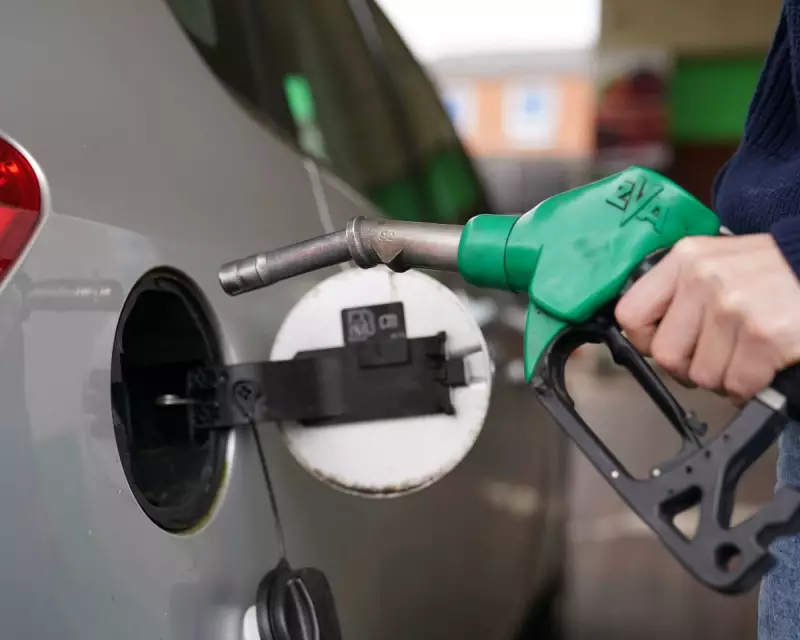
Fuel retailers across the United Kingdom are facing mounting pressure to slash forecourt prices, following a dramatic fall in global oil costs. The price of Brent crude oil dropped below $60 a barrel this week for the first time in over seven months, driven by growing optimism over a potential peace deal in Ukraine.
Pump Prices Defy Wholesale Market Slump
On Tuesday morning, the price of a barrel of Brent crude fell by 1% to $59.20, marking its lowest point since early May. While wholesale oil prices have tumbled by more than 7% this month, the savings have not been passed on to consumers at the pump.
The average price for a litre of petrol in the UK has edged down by a mere fraction of a penny, moving from 137.5p at the start of December to 137.3p on Monday. Diesel prices have shown similar resistance, dropping only slightly from 146.9p to 146.6p per litre over the same period.

Luke Bosdet, the AA's pump price spokesperson, accused forecourts of "creating misery for drivers and businesses." He highlighted that some retailers even raised prices last weekend, despite the steady decline in oil market costs. "Essentially, average pump prices for the first half of December have been stuck on a plateau when they could have fallen," Bosdet stated.
Peace Hopes and Market Oversupply
The recent slide in oil prices began last month as traders reacted to the prospect of an end to the Russia-Ukraine conflict. Hopes were raised after US President Donald Trump commented that a deal was "closer now than we have ever been." Ukrainian President Volodymyr Zelenskyy also indicated that peace proposals negotiated with US officials could be finalised within days.
According to AA analysis, the fall in oil should have translated to a drop of 7p per litre by the end of last week. If passed on with VAT, this would save a motorist filling a typical 55-litre car tank more than £4.60.
Martijn Rats, global commodities strategist at Morgan Stanley, suggested a peace deal could unlock significant new supplies. "Definitely tens of millions, maybe a few hundred million barrels could be made available because they are not locked up in these long routes any more," he explained.
An Oversupplied Market in 2024
Even without a resumption of normal Russian exports, analysts believe the market is oversupplied, which should restrain price increases next year. Derren Nathan, head of equity research at Hargreaves Lansdown, cautioned that while a peace deal is back on the agenda, there have been "multiple false dawns this year."
He added, "Even without Russian exports, concerns around Chinese demand as well as increasing production from OPEC+ members and other nations are keeping prices way below the $80 peaks seen earlier this year." This fundamental oversupply is expected to keep a lid on any major price surges in the coming months.
The stark disconnect between falling wholesale costs and stagnant retail prices leaves UK drivers and businesses bearing an unnecessary financial burden, with campaigners and experts united in calling for immediate action from fuel retailers.






