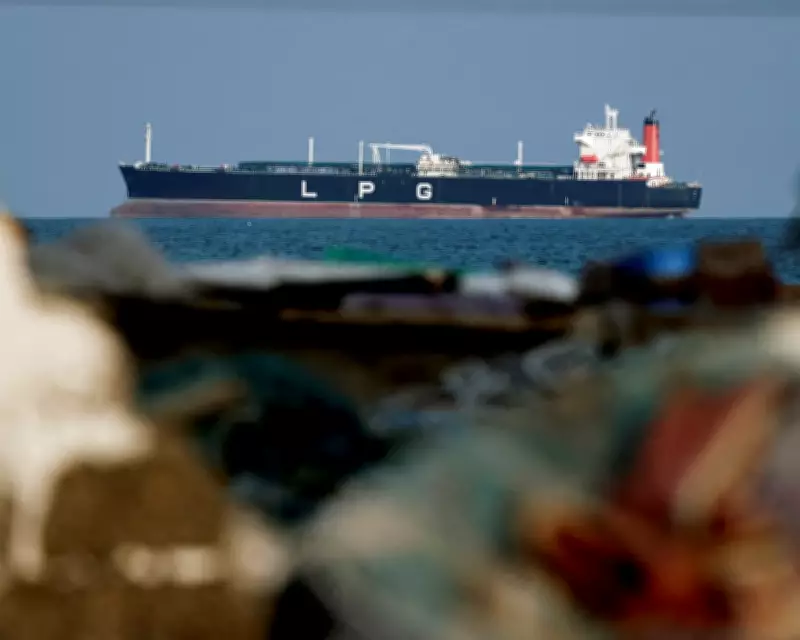
Global Fuel Crisis Intensifies as Middle East Conflict Disrupts Key Shipping Lanes
The ongoing conflict in the Middle East has severely disrupted global shipping routes, leading to a significant surge in oil market prices worldwide. This disruption has forced many consumers to reconsider their fuel usage amid rising costs.
Strait of Hormuz Closure Sparks Oil Price Spike
The Strait of Hormuz, one of the world's most critical waterways, has been nearly closed since the onset of the US-Israel war on Iran. Typically, about one-fifth of international oil supplies pass through this strait, making its blockage a major factor in the current energy crisis.
Last week, oil prices exceeded $100 per barrel for the first time since Russia's invasion of Ukraine four years ago, highlighting the severity of the situation. Kerosene prices have been particularly affected, rising faster than other fuels such as petrol and gas in several regions.

Government Responses to Fuel Shortages
In response to the crisis, governments are taking emergency measures to manage fuel supplies. The Indian government has invoked emergency powers, directing refiners to maximize production of liquefied petroleum gas (LPG) to prevent shortages for the 333 million homes that rely on it for cooking. This move involved cutting sales to industrial sectors to prioritize domestic needs.
Sri Lanka has introduced fuel rationing to extend its supplies, with allocations set at 5 litres per week for motorcycles, 15 litres for cars, and 60 litres for buses. Similarly, Pakistan's Prime Minister Shehbaz Sharif announced a range of measures last week, including closing schools for two weeks and encouraging remote work for office employees to reduce fuel consumption and government spending.
Impact on Daily Life and Consumer Behavior
The fuel price increases are prompting many individuals to cut back on their usage. People are limiting car journeys, reducing cooking activities, and finding ways to conserve fuel for heating and other essentials. Some are even opting for cold meals to avoid using fuel for cooking, reflecting the broader adjustments being made in light of the crisis.
These changes are affecting daily routines and economic stability, as consumers grapple with higher costs and limited access to essential fuels. The situation underscores the interconnectedness of global events and local energy needs.
Call for Personal Stories on Fuel Conservation
We are seeking to hear from individuals who are consciously reducing their fuel use due to the recent price hikes. Share your experiences on how you are adapting, whether by taking fewer trips, conserving fuel, or altering your cooking and heating habits. Your insights can help illustrate the real-world impact of this global energy crisis.