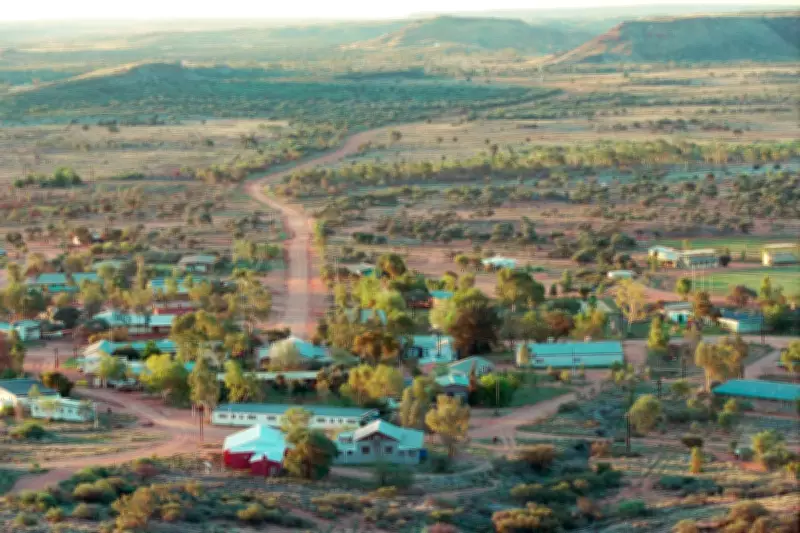
Australia is grappling with a deepening fuel crisis that is disproportionately impacting remote Indigenous communities, leaving residents stranded and struggling to access essential services. The situation has escalated in recent weeks, with supply chain disruptions and logistical challenges creating severe shortages in these isolated regions.
Supply Chain Breakdowns Intensify Isolation
The fuel crisis stems from a combination of factors, including transportation bottlenecks, infrastructure limitations, and broader economic pressures. In remote areas, where distances are vast and roads are often unpaved, the delivery of fuel has become increasingly unreliable. Many communities rely on diesel for generators, vehicles, and machinery, making the shortage a critical threat to daily life and economic activities.
Economic and Social Consequences Mount
As fuel prices skyrocket and availability dwindles, Indigenous communities are facing heightened economic hardship. The cost of transporting goods, including food and medical supplies, has surged, leading to inflated prices in local stores. This exacerbates existing inequalities, as many residents already contend with limited employment opportunities and lower incomes. Socially, the crisis is deepening isolation, with reduced mobility hindering access to healthcare, education, and family connections.

Reports indicate that some communities have been forced to ration fuel, prioritizing emergency services over other needs. This has sparked concerns about long-term impacts on health and well-being, particularly for elderly and vulnerable individuals who depend on regular medical appointments.
Government Response and Community Resilience
Government agencies are under pressure to address the crisis, with calls for immediate interventions such as subsidized fuel deliveries and infrastructure upgrades. However, responses have been slow, with bureaucratic hurdles and funding constraints cited as obstacles. In the meantime, community leaders are mobilizing local resources, exploring alternative energy solutions like solar power to reduce dependence on fossil fuels.
The fuel crisis highlights broader issues of resilience and sustainability in remote Australia. Experts warn that without systemic changes, such as improved transport networks and renewable energy investments, these communities will remain vulnerable to future disruptions. As the situation unfolds, advocacy groups are urging for a coordinated national strategy to ensure equitable access to essential resources for all Australians, regardless of location.