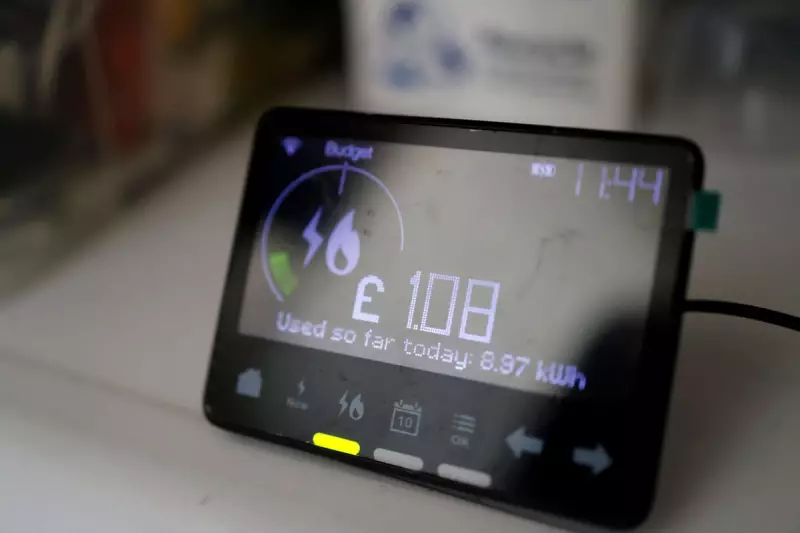
British households are facing an unexpected increase in their energy costs this winter, as the regulator Ofgem has confirmed a surprise rise in the price cap effective from 1st January 2026.
An Unexpected Announcement
The decision caught many by surprise, as it directly contradicted analyst predictions. Just hours before the official announcement, experts at Cornwall Insight had forecast a 1% drop in the cap, anticipating relief from lower wholesale gas and electricity prices.
Instead, Ofgem confirmed a 0.2% rise, nudging the average annual bill for a typical dual-fuel household paying by direct debit from £1,755 to £1,758. While the monetary increase is small, the timing is significant, placing additional pressure on family budgets during the coldest months.

Why Are Bills Rising When Wholesale Prices Are Falling?
The energy price cap works by limiting the unit rate and standing charges that suppliers can impose on customers who are on standard variable tariffs. It is crucial to understand that it does not cap a household's total bill, which is still determined by individual energy consumption.
This recent adjustment appears counterintuitive, as wholesale energy costs have actually fallen by 4% over the last quarter. Ofgem, however, attributes the rise to ongoing market volatility and the incorporation of costs for specific government schemes.
Standing charges are also increasing, with electricity rising by around 2% and gas by 3%, adding approximately 2p per day to bills. Key factors driving these changes include:
- The expansion of the Warm Home Discount, which is now supporting an extra 2.7 million low-income households.
- Funding for the Sizewell C nuclear project, which adds roughly £1 per month to the average bill.
What This Means for Households
Consumer groups have issued stark warnings about the impact of this increase. Citizens Advice stated that this will mean another tough winter for millions, particularly for those already in energy debt.
The concern is compounded by the expectation of a further rise in the price cap when it is next reviewed in April 2026. This creates a feeling for many families of being trapped in a cycle of relentless bill increases.
There is, however, a potential avenue for savings. Ofgem estimates that eight million households paying by standard credit could reduce their costs by switching to a direct debit payment method.
In response, the government has emphasised its focus on expanding support for vulnerable households and investing in long-term clean energy projects to stabilise prices in the future.