Energy Price Cap Forecast to Leap 18% This Summer Amid Market Volatility
The energy price cap set by regulator Ofgem is projected to surge by a significant 18 percent after June, as households across the United Kingdom prepare for substantially higher bills. According to the latest forecast from energy consultancy Cornwall Insight, the average annual energy bill will be set at £1,929 starting in July.
Substantial Increase from Current Levels
This new figure represents a sharp increase of £288 compared to the price cap in effect between April and June. The current cap of £1,641, which took effect on Wednesday, actually represents a reduction of £117 from the first quarter of the year. This temporary relief resulted from Chancellor Rachel Reeves' Budget decision to shift energy subsidy costs from the price cap mechanism onto general taxation.
Economic Concerns Mount Over Inflation Impact
The impending rise in energy costs is generating serious concern among economists who fear it could trigger a mid-year inflation surge. Higher energy prices typically create a chain reaction throughout the economy, dampening consumer demand for other goods and services and potentially impacting overall GDP growth.

Dr. Craig Lowrey, principal consultant at Cornwall Insight, described the coming increase as "pretty much unavoidable" given that international market changes have now been "baked in" to current forecasts. "Over a month into the Middle East conflict, energy markets are experiencing the kind of volatility not seen since 2022," Lowrey explained.
"While prices may have calmed a little over the past few days, prior to the conflict our forecasts pointed to a relatively stable price cap through the summer," he continued. "Now we are forecasting rises of 18 percent. With Ofgem's price cap announcement just weeks away, infrastructure damage and continued disruption to marine traffic through the Strait of Hormuz are limiting the potential for any meaningful wholesale price fall."
Political Debate Intensifies Over Energy Policy
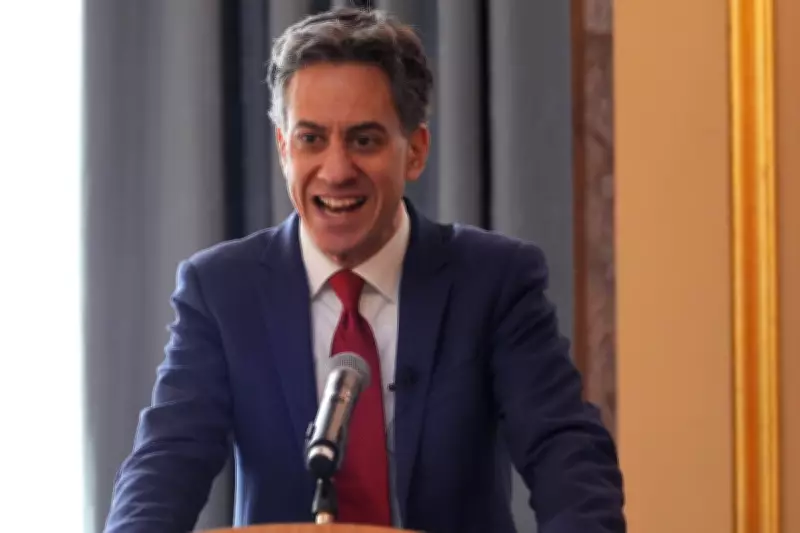
The Conservative Party has strongly criticized Labour's energy policies, particularly those championed by Shadow Energy Secretary Ed Miliband. Meanwhile, current Shadow Energy Secretary Claire Coutinho has urged the government to maximize North Sea oil supplies, suggesting this approach could generate an additional £25 billion in tax receipts that could be used to support households during the energy crisis.
Analysis published in The Times indicates that government levies on energy company profits are currently generating approximately £20 million more per day for the Treasury. When questioned about this research on LBC radio, Chief Secretary to the Treasury James Murray appeared to acknowledge its validity while adding important context.
"If the VAT receipts from energy increase, that can often be because people are spending less money on other goods and items," Murray explained. "That means that overall where people pay VAT shifts from other items over to energy and fuel. Because energy and fuel are typically at five percent rather than the standard 20 percent, that can actually mean revenue goes down. So, it's not quite as straightforward as you might think."
Government Urges Calm While Planning Long-Term Solutions
Murray echoed Downing Street's message urging people to "act as normal" during this period of uncertainty, suggesting there should be comfort in "knowing that the government is taking action to bring energy bills down." He emphasized the administration's focus on developing contingency plans and investing in long-term energy solutions.
"The Prime Minister and the Chancellor are working through contingency plans so that we are prepared for the future," Murray stated. "In the longer run over time, the focus that we've got on new nuclear power, new wind power, solar power, all of that is really important to giving us more energy independence in the future."
Ofgem is scheduled to announce the official price cap adjustment in May, with the new rates taking effect in July. Households are advised to prepare for the significant increase while policymakers continue to debate the most effective approaches to managing the energy crisis and its broader economic implications.