Catastrophic Landslide Claims Over 200 Lives at DRC Coltan Mines
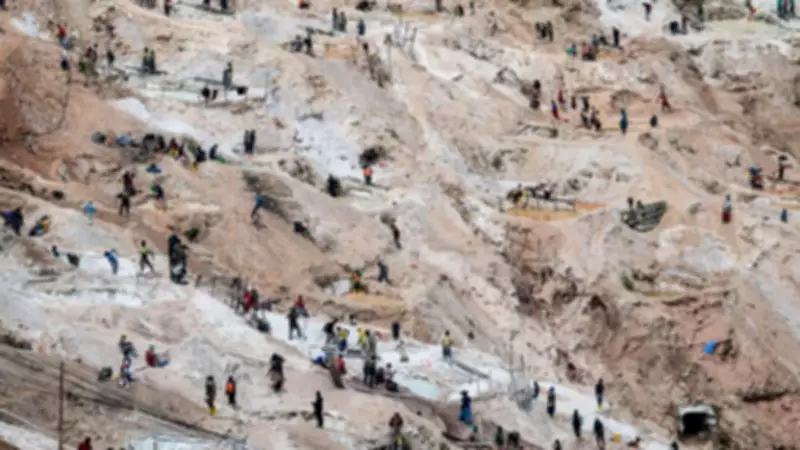
More than 200 people have been confirmed dead following a catastrophic landslide that struck coltan mining operations in the Democratic Republic of Congo earlier this week. The disaster occurred near Rubaya in the country's volatile eastern region, where many bodies remain buried under thick mud and debris.
Heavy Rainfall Triggers Deadly Collapse
According to Lumumba Kambere Muyisa, spokesperson for the rebel-appointed governor of North-Kivu province, torrential rainfall caused the ground to give way at the mining site. The landslide claimed victims from multiple groups including miners, children, and market women who were in the area at the time of the collapse. Some individuals were rescued with serious injuries and transported to nearby health facilities or to Goma, the nearest major city approximately thirty miles from the disaster site.
Critical Mineral Extraction Under Rebel Control
The affected mines produce coltan, a mineral essential for modern technology that yields tantalum - a rare metal crucial for manufacturing smartphones, computers, and aircraft engines. This region supplies more than fifteen percent of the world's tantalum, making it strategically important for global electronics production. Since May 2024, the mines have been under the control of the M23 rebel group, which seized Rubaya and its valuable mineral resources.

Systemic Safety Failures in Unregulated Mining
Former miner Clovis Mafare described alarmingly dangerous conditions at the site, where tunnels are dug manually without proper engineering or maintenance. "People dig everywhere, without control or safety measures," Mafare explained, noting that a single pit can contain up to five hundred miners working in parallel tunnels that create domino-effect collapse risks. The Democratic Republic of Congo has documented cases of children as young as four working in these unregulated mining operations.
Decades of Conflict Compound Mining Dangers
The tragedy occurs against a backdrop of prolonged violence between government forces and various armed groups, including the Rwanda-backed M23 rebel faction that has controlled the region for years. This persistent conflict has created an environment where safety regulations are virtually nonexistent and mining operations proceed without oversight or proper infrastructure.
The landslide represents one of the deadliest mining disasters in recent African history and highlights the human cost behind the global demand for technology minerals. As rescue efforts continue, questions mount about accountability and safety improvements for the thousands who continue to work in similar hazardous conditions throughout the region.