In a significant move to address the cost of living crisis, Chancellor Rachel Reeves has used her Autumn Budget to announce substantial cuts to household energy bills, a decision warmly welcomed by Octopus Energy founder Greg Jackson.
Chancellor Takes Axe to Green Levies
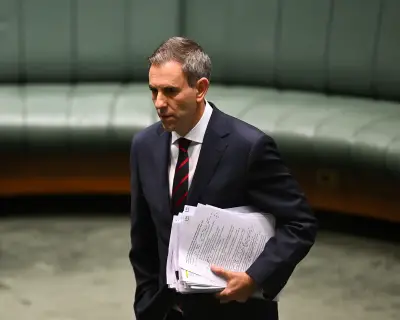
Delivering her statement to the House of Commons, the Chancellor confirmed she will slash multiple renewable levies, a measure projected to cut £150 from the average annual household energy bill starting in April 2025. Reeves identified high energy costs as one of the primary drivers behind the rising cost of living for British families.
The key announcements include the complete scrapping of the Energy Company Obligation (ECO) scheme. This levy required suppliers to fund energy efficiency upgrades like insulation. Dismissing it as a "failed scheme" originally launched by a Conservative government, Reeves stated her priority was putting "money off bills, and in the pockets of working people."

Furthermore, the Chancellor revealed a 75 per cent cut to the renewable obligations scheme, a green levy on electricity bills that acts as a subsidy for renewable electricity generation. The Treasury will now refund this portion, leaving only 25 per cent to be passed onto consumer bills. This intervention is forecast to cost the Treasury £2.3bn per year until the scheme lapses in the 2029-30 financial year.
Industry and Expert Reaction
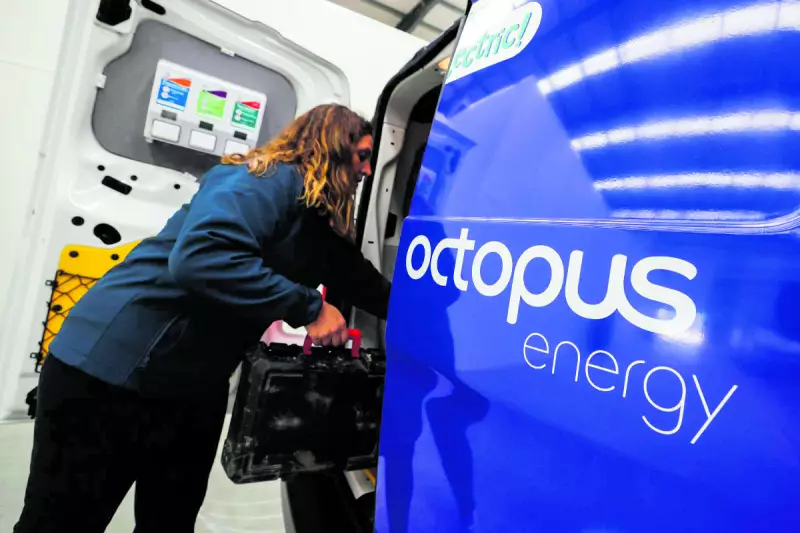
Greg Jackson, whose company Octopus Energy has become the UK's most valuable energy firm, hailed the cuts. He described them as a "positive step in the right direction for customers," emphasising that cheaper electricity is crucial for encouraging the adoption of electric vehicles and heating systems.
He specifically supported the axing of the ECO scheme, which he argued had become "too wasteful, adding high costs to everyone’s bills and only delivering meagre savings for recipients." Jackson endorsed the government's new Warm Homes Plan as the right approach.
Trade body Energy UK also welcomed the bill reductions. Its chief executive, Dhara Vyas, said it would give customers "some respite from the high energy costs that far too many households have struggled with." However, she urged the government to deliver on its Warm Homes Plan, noting that cutting ECO "significantly reduces the overall funding available for vital home improvements that would lower bills."
Professor John Underhill, an energy security expert at the University of Aberdeen, supported the move, stating that cutting these levies would do more to reduce bills than a rumoured VAT cut. He called it an "understandable move to refund the renewable obligations scheme to address the cost of living crisis."
A Broader Context of Soaring Costs
This Budget intervention comes at a critical time. The energy price cap has recently risen to £1,755 for the final quarter of 2025, which is over £600 higher than when it was first introduced in 2019. The Labour government, which has faced political pressure from the Tories and Reform UK over the cost of its green energy policies, has made tackling energy costs a central mission.
The decision to specifically target electricity costs is also seen as a strategic measure to incentivise a broader shift towards low-carbon energy sources for heating and transport, aligning the nation's financial and environmental goals.