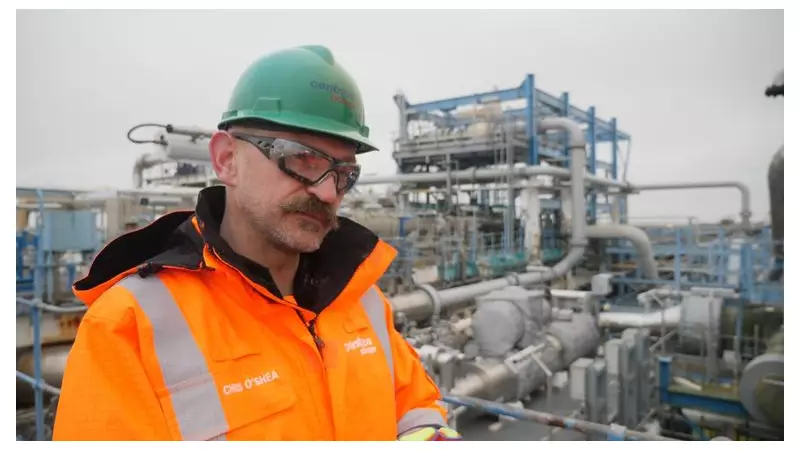
The chief executive of British Gas's parent company has declared he would be happy to pay more tax if it resulted in lower energy bills for households across the UK.
A Call for a Fairer System
Chris O'Shea, the head of Centrica, made the striking statement in an interview with Sky News, arguing that policy levies should be removed from energy bills and funded instead through the general tax system. This shift, he contends, would be a more progressive approach.
"I personally would be happy to pay more. I think that's fair," Mr O'Shea stated. He emphasised that the cost of vital national projects, such as decarbonising the economy and improving the national grid, should be borne by those with the "broadest shoulders" rather than applying a flat levy to every household, regardless of income.

According to his analysis, stripping these policy costs from energy bills would save the average household approximately £200 per year, providing immediate relief as the cost of living continues to squeeze family budgets.
Breaking Down Your Energy Bill
This proposal comes at a critical time. The energy regulator, Ofgem, announced an increase to the energy price cap. Crucially, this rise was not driven by the wholesale cost of gas and electricity but by growing policy costs, including the funding for new infrastructure like the Sizewell C nuclear power station.
Ofgem's own breakdown reveals where your money goes:
- Just 39.3 pence of every pound pays for the actual energy.
- 22.6 pence is allocated to infrastructure costs.
- 13.4 pence goes directly to government policy costs.
- The remaining 11 pence covers supplier operating costs.
This means policy and infrastructure costs combined now make up a larger portion of the bill than the energy commodity itself.
Criticism and Defence of the Regulator
Mr O'Shea did not reserve his criticism for the tax system alone. He also took aim at the energy regulator, Ofgem, accusing it of being overly focused on micromanagement rather than fostering growth within the sector.
In response, a spokesperson for Ofgem defended its record, pointing to tangible improvements. Customer satisfaction has risen to record highs from a low of 66% in 2022, and the financial resilience of suppliers has significantly improved, with companies now holding around £7.5 billion in assets to protect consumers from the cost of supplier failures.
The spokesperson also confirmed that the government is already reviewing Ofgem's remit and powers to ensure it remains an effective regulator, a process which Ofgem welcomes.
The debate highlights the growing pressure on the government and regulators to find a sustainable and equitable way to fund the UK's green energy transition without disproportionately burdening already-struggling consumers.