Australia's Fuel Crisis: A Comprehensive Data Analysis
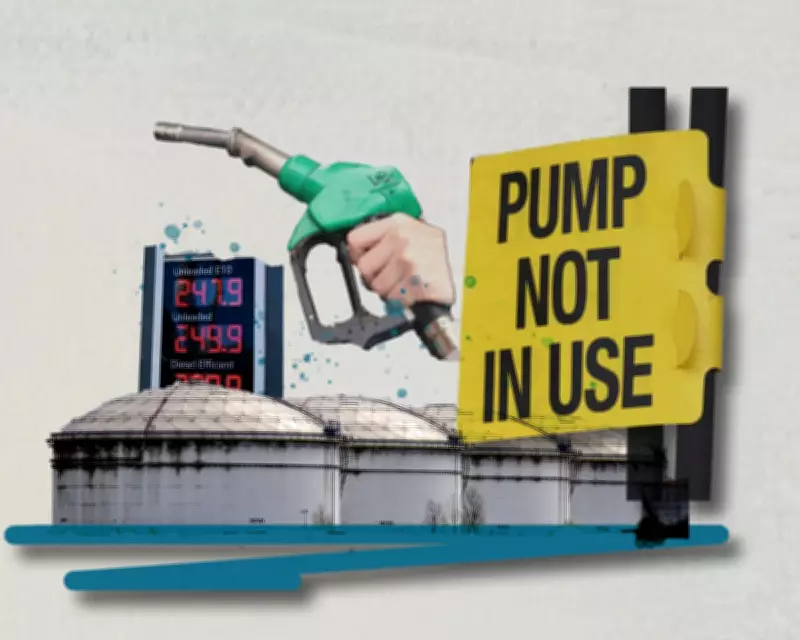
Australia is currently grappling with a severe fuel crisis, marked by widespread service station outages, soaring petrol and diesel prices, and disruptions to oil shipments. This situation has intensified following the closure of the Strait of Hormuz by Iran, a critical global oil transit route. To provide clarity amid the chaos, we have compiled the latest data into interactive charts and trackers, offering a detailed view of the nation's fuel landscape.
Tracking Fuel Prices and Availability
Since late February, when the US and Israel initiated military actions against Iran, fuel prices across Australia have surged significantly. Our data reveals average increases for both petrol and diesel, with notable spikes in major cities like Sydney and Melbourne. However, price and availability vary dramatically even within small regions, as independent businesses and state governments manage supply chains differently. Hundreds of service stations have reported running out of fuel, though outages are not static; stations frequently regain stock as efforts to bolster supplies intensify.
To help Australians navigate this crisis, we have developed a fuel tracker that allows users to check real-time petrol and diesel prices, monitor how many service stations have run out of fuel, and estimate how long reserve supplies will last. This tool aggregates data from government APIs and sources like Motormouth, updated daily to reflect the most current information.

Service Station Outages in Detail
A map visualization displays the number of fuel outages across Australia on a day-by-day basis. Since data collection began on March 27, there has been a noticeable spike in outages in New South Wales and Victoria on March 30 and 31. The chart below this map estimates the total number of stations experiencing shortages of at least one type of fuel each day. It is important to note that this is an approximation, as reporting timelines differ by state, potentially leading to undercounts.
Impact on Oil Shipments and Reserves
The crisis has led to at least six fuel shipments to Australia being cancelled or deferred, with experts warning of further delays. A chart tracking "port calls" by tankers at Australian ports shows a slight decline in February and March compared to the past six years. More strikingly, data indicates a complete collapse in tanker traffic through the Strait of Hormuz in early March, a route that previously handled about one-fifth of global oil and one-third of fertilizers.
In response, the federal government has implemented measures such as releasing fuel reserves, cutting excise taxes, and rolling out a national fuel security plan. Early in March, minimum stock levels for fuel companies were reduced. A weekly snapshot chart compares current fuel reserves to these new minimums, projecting how long supplies would last at normal consumption rates. As of early April, Australia's fuel reserves, measured in days of supply, have actually increased since pre-war levels, offering a glimmer of stability.
Data Sources and Methodology
Our analysis relies on daily data from government fuel websites and APIs, with average prices sourced from Motormouth. Some data is live, while other updates occur on a delay or when stations change prices. Outages are estimated based on state-specific reporting: Victoria, Queensland, South Australia, and the Northern Territory explicitly indicate fuel availability, whereas New South Wales, Tasmania, and Western Australia use estimation methods. Tanker data comes from Portwatch at the University of Oxford, using IMF data, and counts port visits by tanker ships, which may include imports or exports.
This page will be updated continuously as the fuel crisis evolves, with any significant corrections footnoted in accordance with editorial standards. Stay informed by signing up for breaking news alerts or accessing our daily news podcast.