Australia Grapples with Escalating Fuel Crisis Amid Global Supply Disruption
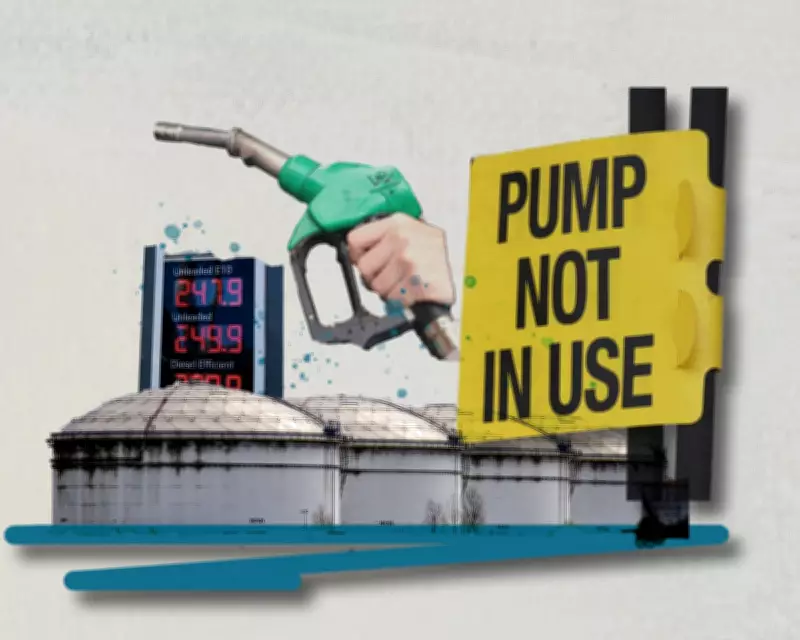
Australia is confronting a mounting fuel crisis as Iran's ongoing closure of the Strait of Hormuz severely disrupts global oil shipments, leading to skyrocketing prices and widespread service station outages across the nation. The federal government has implemented emergency measures, including releasing strategic fuel reserves, reducing excise taxes, and deploying a national fuel security plan to mitigate the escalating situation.
Tracking the Impact: Prices, Outages, and Supply Chain Disruptions
Since the conflict between the US, Israel, and Iran began in late February, Australia has experienced significant fuel shortages and price hikes. Hundreds of service stations have reported running empty, while petrol and diesel prices have surged dramatically. The crisis is compounded by the cancellation or deferral of at least six fuel shipments to Australia, with experts warning of further delays as supply chains remain strained.
Data reveals a sharp increase in fuel outages, particularly in New South Wales and Victoria, with spikes recorded on March 30 and 31. The variability in price and availability is stark, even within small geographic areas, as stations intermittently exhaust and replenish stocks amid frantic efforts to stabilize supply chains.

Analyzing Fuel Reserves and Tanker Movements
Despite the turmoil, Australia's fuel reserves have shown a slight increase since pre-war levels, measured in days of supply at normal consumption rates. However, tanker data indicates a notable decline in port calls by fuel and crude oil tankers in February and March compared to the past six years, highlighting the broader impact of the Hormuz Strait closure.
The Strait of Hormuz, a critical global chokepoint, typically handles about one-fifth of the world's oil and one-third of fertiliser shipments. Its closure has led to a near-collapse in tanker traffic through the region in early March, exacerbating supply shortages worldwide.
Government Response and Data Collection Efforts
In response to the crisis, the federal government has adjusted minimum stock requirements for fuel companies and is closely monitoring the situation through daily data collection from government APIs and sources like Motormouth. This includes tracking average prices for petrol, E10, and diesel, as well as outage reports from states such as Victoria, Queensland, South Australia, and the Northern Territory.
Estimates for outages in New South Wales, Tasmania, and Western Australia are derived from historical data and station-specific trends, providing a comprehensive, albeit evolving, picture of the fuel landscape. The situation remains fluid, with ongoing updates and corrections in line with editorial standards to ensure accuracy.
As Australia navigates this unprecedented fuel crisis, stakeholders are urged to stay informed through breaking news alerts and real-time trackers to monitor price fluctuations, station availability, and reserve levels. The interplay of global geopolitics and local supply chains continues to shape the nation's energy security, with long-term implications for consumers and the economy.