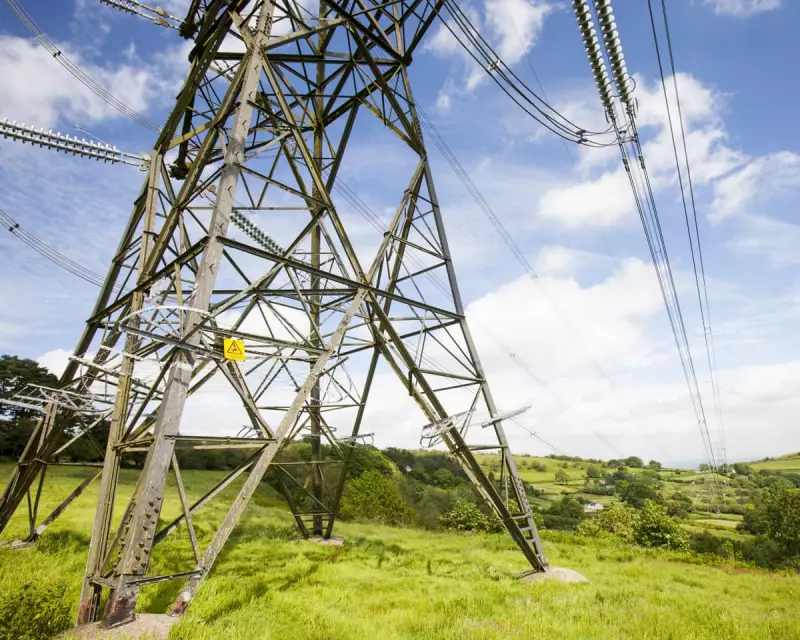
Households across Great Britain face higher energy bills after the regulator approved a massive £28 billion investment to rewire and upgrade the nation's ageing gas and electricity networks.
Green Light for Major Infrastructure Spend
The energy watchdog, Ofgem, has given the final go-ahead for energy network companies to spend over £28 billion on critical infrastructure projects. This substantial funding package surpasses the £24 billion budget initially proposed by the regulator earlier this year.
The plan comprises two major segments. More than £17.8 billion is earmarked for upgrading gas transmission and distribution networks between 2026 and 2031. A further £10.3 billion is allocated for the first phase of rewiring the high-voltage electricity network, marking the grid's most significant expansion since the 1960s.

Funding the Future: Bills and Benefits
This multibillion-pound investment will be paid for through levies added to consumer energy bills. Ofgem estimates that by 2031, network charges will increase by £108. This breaks down to £48 for gas network upgrades and £60 for the electricity grid expansion.
However, the regulator argues that the investment will ultimately save money. It claims the upgraded grid will reduce the costly practice of paying wind farms to switch off when local networks are overloaded. These savings are projected to offset some of the costs, leading to a net increase of around £30 per year on the average annual bill by 2031, or roughly £2.50 per month.
Projects and Protections for Consumers
The approved funding will cover more than 80 specific projects. These include laying new high-voltage power cables and undertaking vital upgrades to existing overhead wires. The work is essential for supporting the government's ambition to transform the UK into a green energy superpower by 2030.
Ofgem's chief executive, Jonathan Brearley, emphasised consumer protections built into the plans. "Ofgem will hold network companies accountable for delivering on time and on budget," he stated. "We've built strong consumer protections into these contracts, meaning funds will only be released when needed and clawed back if not used. Households and businesses must get value for money, and we will ensure they do."
This approval represents just the initial step in a broader, long-term strategy. It is the first phase of a planned £80 billion overhaul of the UK's entire power grid to accommodate renewable energy and ensure future security of supply.