
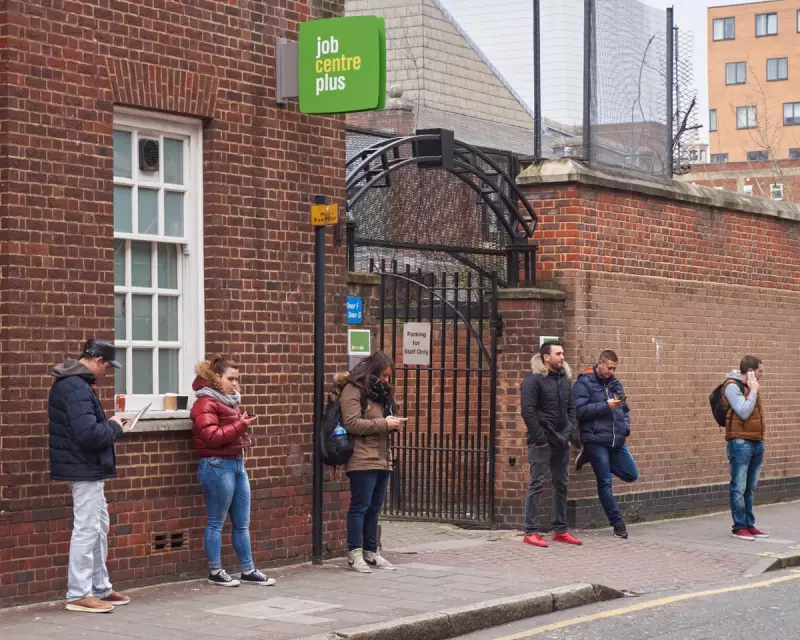
Britain faces a mounting youth unemployment crisis with nearly half of all jobs lost since Labour took power coming from workers under 25, prompting warnings of a potential 'lost generation' developing under Keir Starmer's government.
Alarming Statistics Reveal Youth Jobs Crisis
Recent analysis reveals that youth unemployment has climbed to 15.3%, representing the highest level outside the COVID-19 pandemic since 2015. This rate is more than three times the headline jobless figure for people aged over 16.
The situation has deteriorated significantly over the past year, with youth unemployment increasing from 14.8% twelve months ago. Long-term youth joblessness has also reached a decade high, creating what experts describe as a 'ticking timebomb' for the UK economy.
Young Workers Bear Disproportionate Burden
Guardian analysis of HMRC jobs data shows that younger adults have suffered disproportionately from recent employment cuts. Despite comprising only about one-tenth of the overall UK workforce, under-25s account for 46% of the 170,000 jobs lost from company payrolls since June last year.
This translates to more than 150 youth jobs disappearing every day since Labour's election victory. The November payroll figures showed 77,000 fewer employees under 25 compared to June 2024 levels, with most decline occurring among workers under 18.
Political Pressure Mounts Ahead of Budget
Former Labour Education Secretary David Blunkett has issued a stark warning to the current government, urging immediate action to prevent devastating economic and societal consequences. "I think we've got to get our act together. It's a lost generation and if we don't do something now the consequences economically, societally and personally will be devastating," Blunkett stated.
The prominent New Labour figure has called for Starmer to consider launching a modernised version of the 1990s New Deal programme that targeted youth unemployment during Tony Blair's first term.
Government critics have pointed to Chancellor Rachel Reeves's £25 billion increase in employer national insurance contributions as a key factor in the jobs market slowdown. The Bank of England has warned this tax rise has particularly affected hiring in hospitality and retail sectors - traditional entry points for young workers.
Shadow Chancellor Mel Stride declared: "Any lost generation is on the chancellor. You don't get more young people into work by punishing the very businesses that hire them."
With the autumn budget approaching on November 26, Liberal Democrat Treasury spokesperson Daisy Cooper has called for reversal of the tax increase, stating: "The youth jobs crisis is a ticking timebomb but some obvious solutions are staring the chancellor in the face."
The government is bracing for potentially concerning news this Thursday when updated figures might show the number of young people not in education, employment or training (Neet) has exceeded 1 million for the first time in ten years.
In response to the growing crisis, Work and Pensions Secretary Pat McFadden has appointed former Blair-era health secretary Alan Milburn to lead an independent review into rising youth worklessness.
Reeves is expected to announce funding in this month's budget for a 'youth guarantee' offering paid work to every eligible young person who has been on Universal Credit for 18 months without employment or education opportunities.
Despite the chancellor's conference pledge to work toward "the abolition of long-term youth unemployment," official figures this week show the number of 18- to 24-year-olds unemployed for longer than 12 months has surged to 137,000 - the highest level in ten years.
Ben Harrison, director of the Work Foundation thinktank, emphasised the need for expanded government support: "If you want to see a tangible difference made in time for the next election, more investment and support is needed."
A government spokesperson confirmed that Milburn's review would address key barriers behind rising youth unemployment, stating: "It is unacceptable that 1 million young people are not in education, employment or training. We are delivering opportunities to young people across the country, from the expansion of Youth Hubs to our Youth Guarantee."




