
The government has unveiled a major new initiative aimed at tackling rising youth unemployment, which will see hundreds of thousands of young benefit claimants offered work in key sectors like construction and hospitality. Those who refuse to engage with the scheme without good reason risk having their Universal Credit payments stopped.
Details of the New Work and Training Offer
Under the plans, the government will fund a total of 350,000 training and work experience placements for young people. It will also guarantee 55,000 actual jobs in areas it has identified as having the highest need. The scheme is scheduled to begin in the spring of 2026.
The funding, amounting to £820 million, was originally allocated by Chancellor Rachel Reeves in the November Budget. The Treasury stated the wider goal is to help almost one million people move off Universal Credit and into employment.
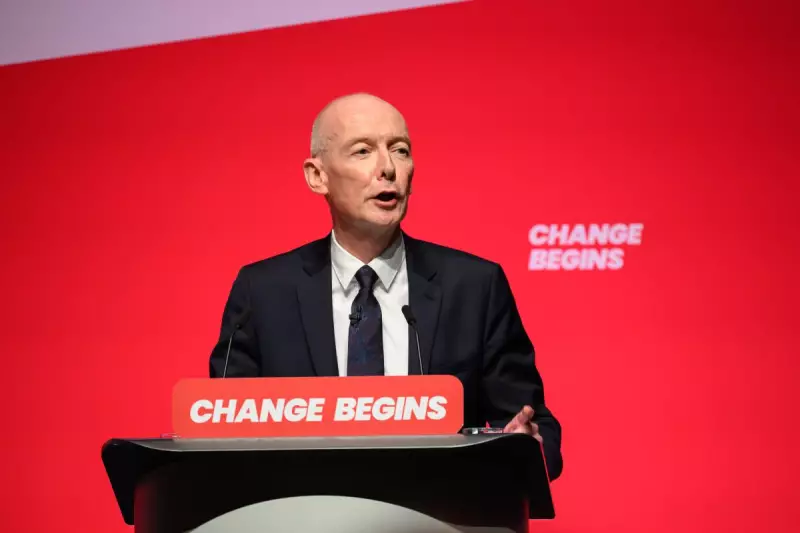
Work and Pensions Secretary Pat McFadden described the investment as "a down payment on young people’s future," stating the plans would help them "make something of their lives."
Regional Focus and Support Pathways
The government-backed jobs, which will also extend into the health and social care sector, will be concentrated in specific regions. These include Greater Manchester, Birmingham and Solihull, and the East Midlands.
Participants will first receive a dedicated work support session followed by four weeks of intensive coaching. An employment coach will then refer them to one of six tailored pathways:
- Direct work placement
- Work experience
- Apprenticeship
- Wider training programme
- Formal learning
- A workplace training programme with a guaranteed interview
The government expects over 1,000 young people to start a job within the first six months of the scheme's launch.
Sanctions for Non-Engagement and Political Criticism
In a significant policy stance, Secretary McFadden confirmed that young people could lose their right to Universal Credit if they do not engage with the proposed plans. He stated that "doing nothing should not be an option."
In an interview with Sky News, McFadden framed the scheme as "both an offer and an obligation." He expressed a desire to see young people "in the habit of getting up in the morning, doing the right thing, going to work," highlighting the "sense of pride and purpose that comes with having a job." He noted particular concern about the growing number of young people not in education, employment, or training over the last four years.
The policy has already faced criticism from the opposition. Shadow work and pensions secretary Helen Whately argued: "The Chancellor’s tax hikes are driving up youth unemployment, snatching a career from a generation of young people. This scheme is nothing more than taking with one hand to give with the other."
This announcement builds on a September government intention to provide guaranteed work placements for 18-21-year-olds who have been out of work or education for more than 18 months, which also carried the threat of benefit sanctions for non-compliance.




