
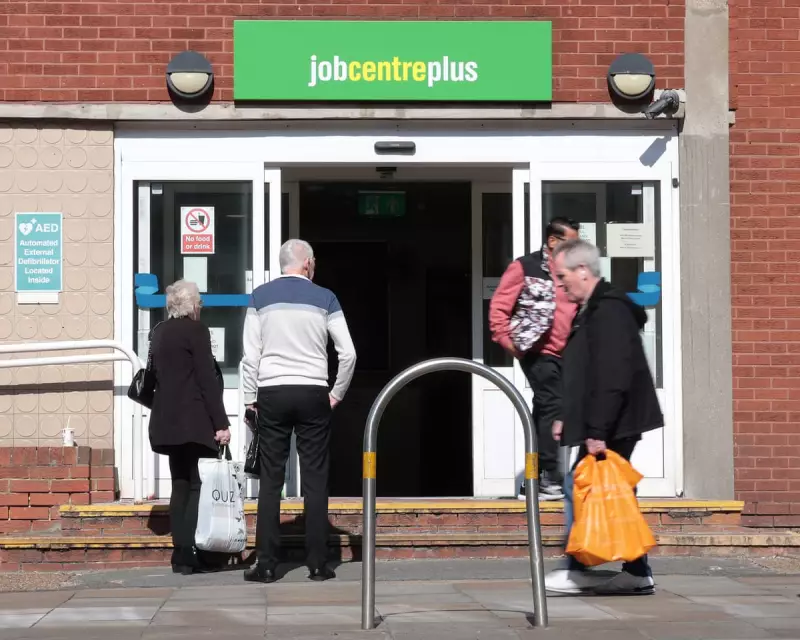
The UK's jobs market is showing significant signs of strain as official figures reveal unemployment has jumped to its highest level in four years, creating a challenging backdrop for the government's upcoming autumn budget.
Labour Market Shows Clear Signs of Weakening
According to the Office for National Statistics, the headline unemployment rate increased to 5.0% during the three months to the end of September. This represents a sharp rise from the previous quarter's rate of 4.8% and exceeds City economists' forecasts of 4.9%.
This marks the highest official unemployment rate since the first quarter of 2021, when the country was grappling with the height of the COVID-19 pandemic. The last time unemployment reached this level outside of pandemic conditions was nearly four years ago.
Liz McKeown, ONS director of economic statistics, stated unequivocally: "These figures point to a weakening labour market." Her assessment comes amid growing concerns about the UK's economic resilience.
Multiple Indicators Confirm Economic Slowdown
Separate data from HMRC provides further evidence of the jobs market deterioration. The number of workers on company payrolls fell by 32,000 in October compared with September, indicating that employers are beginning to retrench.
The weakening employment picture emerges as businesses face multiple headwinds:
- Increasing tax burdens
- Persistent inflationary pressures
- Elevated borrowing costs
- A sluggish growth outlook
These figures arrive with under three weeks remaining until Chancellor Rachel Reeves delivers her crucial autumn budget, where she's expected to address a government finances shortfall estimated at up to £30 billion.
Data Challenges and Policy Implications
The ONS figures derive from the labour force survey, which has faced criticism due to collapsing response rates. Experts have warned that this data quality issue leaves policymakers "flying blind", potentially leading to decisions based on imperfect information.
Business leaders have already sounded alarms about the potential impact of tax increases in the upcoming budget, warning that such measures could further undermine job creation and economic growth.
The convergence of rising unemployment, falling payroll numbers, and broader economic pressures presents a significant challenge for the government as it prepares its fiscal strategy amid growing economic uncertainty.




