
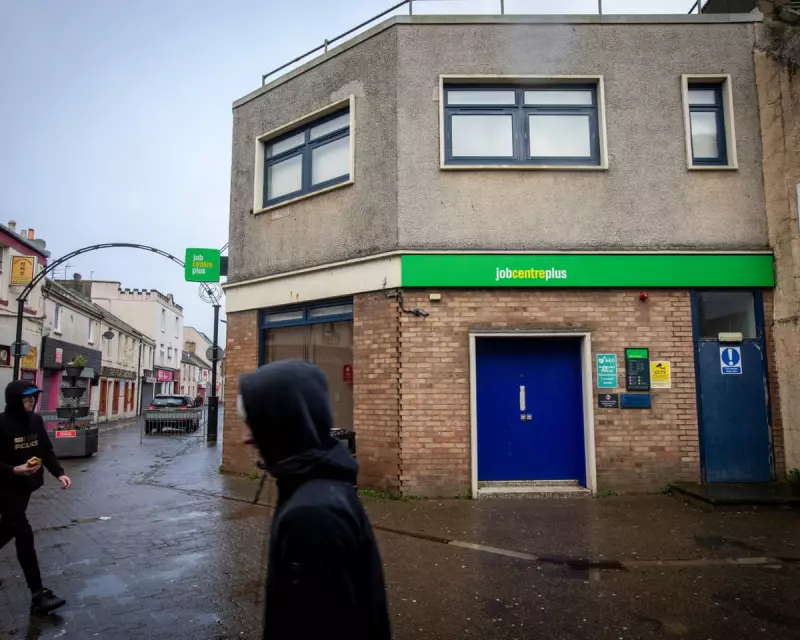
The UK labour market has deteriorated significantly, with official data revealing unemployment has climbed to its highest level since the Covid-19 pandemic.
Key Labour Market Figures Show Sharp Decline
According to the Office for National Statistics (ONS), the unemployment rate jumped to 5% for the July to September quarter. This marks the highest level recorded since February 2021 and is an increase from the 4.8% reported a month earlier.
In a further sign of weakness, the number of employees on payrolls fell by 32,000 in September. This was followed by another decline of 32,000 in October, bringing the total number of payrolled employees down to 30.3 million.
Wage Growth Cools Amidst Market Slowdown
As the jobs market cools, wage growth has also lost momentum. The annual growth in employees' average earnings slipped to 4.6% in the latest quarter, down from 4.7% in the three months to August.
Liz McKeown, the ONS Director of Economic Statistics, stated: "Taken together these figures point to a weakening labour market. The number of people on payroll is falling... Meanwhile the unemployment rate is up in the latest quarter to a post pandemic high." She noted that while private sector wage growth slowed, public sector pay growth remained stronger.
Economic Implications and Market Reaction
This sharp increase in unemployment, coupled with slowing wage growth, is heightening concerns about the UK's economic cooling. The data arrives as Shadow Chancellor Rachel Reeves prepares her budget, due on 26 November.
The figures could also influence the Bank of England's monetary policy. Following the release of the data, the pound fell by half a cent against the US dollar, dropping to $1.3123. This market movement indicates that traders are anticipating the Bank of England may respond by cutting interest rates, potentially as soon as December. This follows last week's narrow vote by the Monetary Policy Committee to leave borrowing costs unchanged.




