
The Human Cost of Your Takeaway
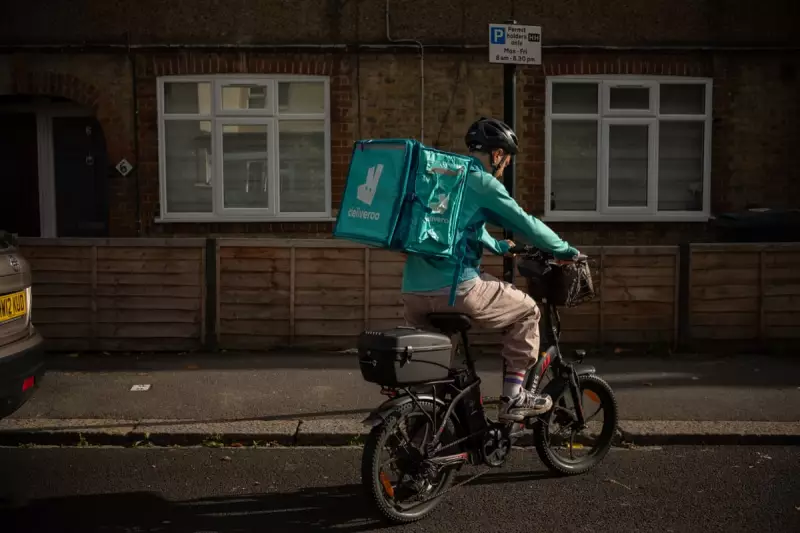
Across the UK, the familiar sight of food delivery riders on bikes and mopeds masks a grim reality of exploitation and hardship. Workers for major platforms like Deliveroo, Just Eat, and Uber Eats are speaking out about conditions that leave them feeling like "delivery machines" rather than human beings.
Marina, a Brazilian mother supporting two daughters, starkly compares her earnings: "I earn more cleaning toilets than I do from being a Deliveroo rider." She is one of hundreds of thousands, many of them migrants, who endure 10 to 12-hour days for meagre pay, contending with exhaustion, accidents, and harassment.
Invisible and Exposed
The riders describe a paradoxical existence where they feel both invisible and intensely vulnerable. "As humans we are invisible to the people we deliver to," says Mohammed, a Syrian refugee. "People don't think about our struggles and our dreams." This invisibility is shattered by moments of direct exposure to danger.
For female riders, the job carries specific threats. Marina, part of a WhatsApp group for 800 Brazilian female riders, details disturbing encounters: "Sometimes men open the door to female riders naked or in their underwear. One man I delivered food to tried to pull me inside his house." Rayan, from Pakistan, adds that riders are "vulnerable to being attacked," recalling being targeted by teenagers for fun.
Their only manager is an algorithm. "We are a very modern kind of slave," Mohammed states. "The slave driver is the app that sends us our orders." Riders report fees as low as £3 per delivery, with no guarantee of earning the national minimum wage.
A Constant Struggle for Survival
The physical toll is immense. Riders brave all weathers, with rainy, icy days being particularly perilous. Rayan, an English graduate, describes having to "defrost my legs with a hairdryer" after shifts. "The chill of the wind and rain turns my skin white," he says.
Financially, the work is unsustainable for many. Riders on bicycles might earn around £300 per week, while those on mopeds can make approximately £450, before deducting insurance and fuel costs. Rayan has taken out a loan to support his family, his dream of becoming an English professor fading as the work drains him. "I don't read any more because I'm too tired," he laments, having once passed the time reading Dostoevsky.
A System Under Scrutiny
According to Professor Nando Sigona from the University of Birmingham, the UK food delivery sector has become a "testing ground for a new model of migration governance." He argues that a system fusing work automatisation, digital surveillance, and immigration enforcement has created a hostile environment where migrants are tolerated only if they remain "silent, flexible and invisible."
Despite a 2021 Supreme Court ruling granting "worker" status to Uber drivers, a 2023 decision classified delivery riders as self-employed due to a "substitution clause" in their contracts. Unions continue to fight for better rights. Alex Marshall of the International Workers' Union of Great Britain condemns a system that forces riders into "constant anxiety" and to take "dangerous risks on the road."
The delivery platforms defend their models. A Deliveroo spokesperson said the "overwhelming majority of riders are satisfied," highlighting their union partnership and protections like sickness cover. Uber Eats stated safety is its "top priority," offering flexible earning opportunities. Just Eat claimed its couriers earn, on average, "significantly over the national living wage" while on an order.
For riders like Marina, the struggle continues out of necessity. "I am doing this so I can put food on the table for my daughters," she says, hoping her sacrifice will help her children break the cycle of poverty for good.




