The office Secret Santa is meant to be a light-hearted bit of festive fun, a chance to share some seasonal cheer with colleagues. But for some, the experience has been anything but jolly, leaving lasting memories of humiliation, hurt, and workplace tension.
The Cruelty Behind the Wrapping Paper
Susanna Beves, then a young teacher at an international school in Germany, received a gift that would haunt her for decades. The present itself, a solitaire game, was innocuous. It was the accompanying note that cut deep. "It told me that it had been chosen for me because I was single and lonely and likely to remain so, as I had no friends," recalls Beves, now 57.
Opening it in a room full of 60 staff was devastating. "I just wanted to cry," she says. The anonymous cruelty was a shock in what she had believed was a wonderful workplace. To this day, she has no idea who sent it, and she promptly threw both gift and note in the bin.
When 'Jokes' Miss the Mark Spectacularly
Often, the problem stems from gifts intended as humorous pranks that profoundly misread the recipient's situation. Tony O'Brien learned this the hard way at his first job in the Northern Ireland civil service. He had recently shared the painful story of having to put down his beloved white boxer puppy after it attacked someone.
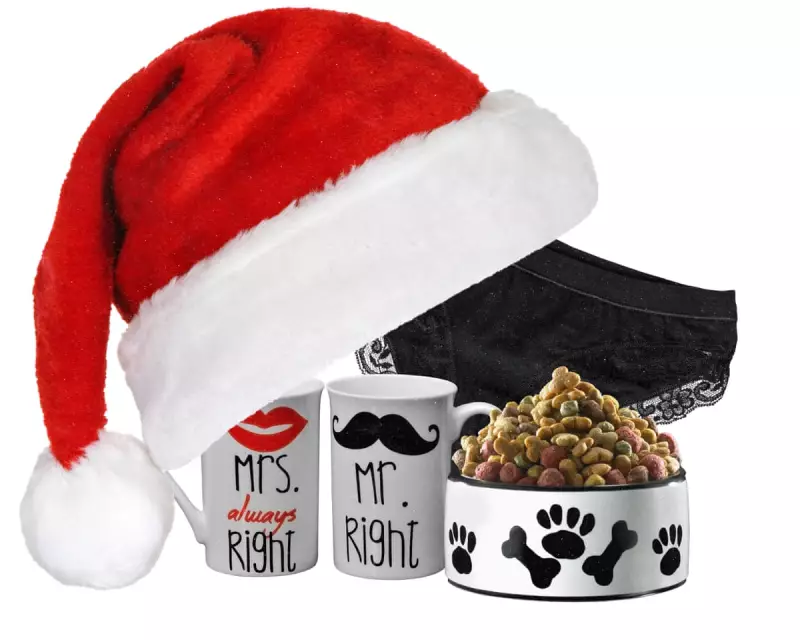
His Secret Santa gift? Six tins of dog food, puppy training pads, and two inflatable dogs. "I tried to pretend that I got the joke, but I was horrified," O'Brien says. The public mockery of his personal tragedy made him deeply cynical about his colleagues and contributed to his decision to move departments.
Other misfires are accidental. Georgie Goldstein, 33, from London, received a set of "morning gorgeous" and "morning handsome" couples' mugs. The giver didn't know Goldstein's long-term relationship had just ended. While she could see the humour, it "hit a bit of a nerve."
HR Nightmares and Lasting Consequences
Shelley Poole, managing director of Wellington HR consultancy, has seen her share of Secret Santa-related grievances. She warns against "playing it for laughs" by poking fun at perceived flaws, like giving deodorant to someone with body odour. "That can lead to some people feeling pretty humiliated. I've seen grievances come out of it," she states.
In the most serious cases, such gifts can constitute harassment. Poole recounts one instance in a male-dominated industry where a woman, who had already objected to sexual jokes, was given a bondage kit. The result was mandatory sexual harassment awareness training for the entire team.
The fallout can be severe. O'Brien's experience in the civil service wasn't isolated. A series of "inappropriate and nasty and spiteful" gifts ultimately led to a complete ban on Secret Santas within the Northern Ireland civil service, as people used it to settle scores.
Navigating the Festive Minefield
So, how can workplaces avoid these pitfalls? Poole advises steering clear of any sexual gifts, alcohol, or food items like chocolate, which can be problematic for those with dietary concerns or health consciousness. Her top tip is to consult someone who knows the recipient well.
Some organisations have introduced measures like compulsory reveal of the giver's identity or optional wishlists. Interestingly, Goldstein, despite her mug mishap, dislikes wishlists, believing "the fun of Secret Santa is trying to guess who might have got you this gift." For her, the risk is part of the experience—as long as the gift isn't a character attack.
For those like Susanna Beves, the damage is lasting. She now refuses to participate unless the giver's name is on the gift. The experience has made her wary of gift-giving in general, a sentiment that underscores how a moment of intended festive fun can, when it goes wrong, leave a permanent scar.