
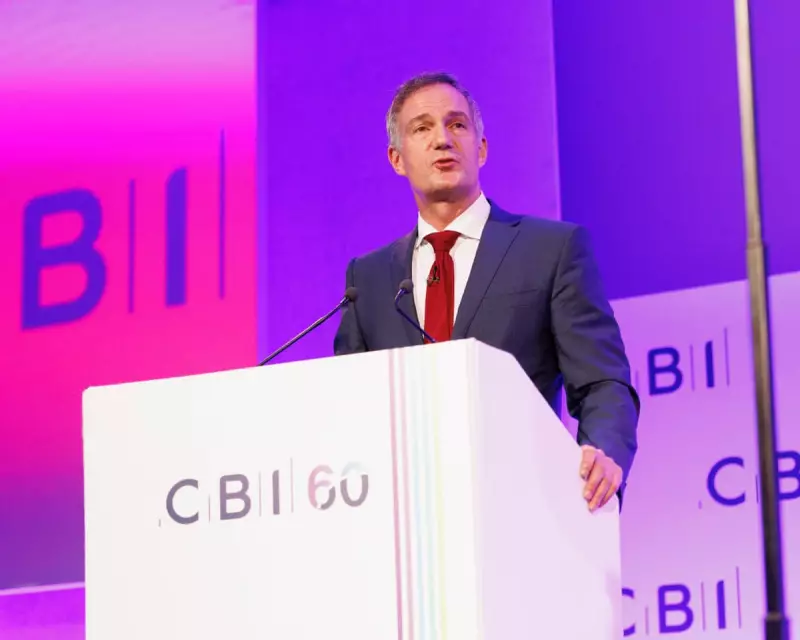
Business Secretary Peter Kyle has directly appealed to corporate leaders to help shape the government's landmark changes to workers' rights, signalling potential flexibility in implementing the controversial reforms.
Consultation Promise to Business Community
Addressing the Confederation of British Industry (CBI) conference in London, Kyle committed to holding 26 separate consultations with companies after the employment rights bill becomes law. He explicitly encouraged business leaders to actively participate in shaping the final implementation. "When we launch these consultations, please engage with it," Kyle told the audience. "Make your voice heard and engage with me and my department to make sure we get it right."
The business secretary sought to reassure concerned executives by promising the changes wouldn't create losers in the business community. "I will not allow it to become zero-sum, [you] give one to the other, the other loses," he stated, emphasising that this has to be got right for both workers and employers.
Business Concerns and Political Opposition
The government's employment rights bill, currently progressing through Parliament, includes measures that have alarmed some business leaders. Key provisions involve banning zero-hour contracts and establishing day-one protections against unfair dismissal for workers.
Conservative leader Kemi Badenoch used her CBI appearance to attack Labour's approach, describing the 330-page legislation as "an assault on flexible working" that would cost employers £5 billion to implement according to government analysis. She promised a future Tory government would repeal the changes and dismissed Kyle's consultation offer, stating "If 26 consultations are what you need to fix things, then you have a really, really big problem."
The business community's concerns were further amplified by CBI president Rupert Soames, who bluntly assessed that the bill "is going to be really, really damaging." Business leaders have intensified their lobbying efforts, warning that the proposed changes could force employers to slash jobs.
Implementation Challenges and Union Pressures
The legislation faces complications in the House of Lords, where Tory and Liberal Democrat peers have amended the bill three times to accommodate key business demands. Speaking to journalists at the conference, Kyle vowed to do "what it takes" to resolve parliamentary hold-ups before moving to the consultation phase.
Meanwhile, the government faces pressure from union leaders and backbench Labour MPs to implement their manifesto promise "in full" without dilution. The resignation of Angela Rayner, who had championed the workers' rights plan, has heightened union anxieties about potential watering down of the reforms through secondary legislation.
Kyle acknowledged that business confidence had been undermined by pre-budget speculation and committed to giving companies "a voice in the future decisions that we take." He also referenced previous criticism of his close engagement with business during his time as science and technology secretary, noting "That is a criticism that I happily accept and it's one that I expect to repeat in this job."




