
In a heartwarming yet thought-provoking turn of events, a five-year-old girl from Michigan has successfully convinced her parents to legally change her name to the nickname she has always preferred. This viral social media story, shared by Amanda Biddle, highlights how her daughter, Margaret, steadfastly rejected her given name from a young age, insisting on being called Maisie instead. Amanda recounted, "She’s hated her name since she could talk. If we ever called her ‘Margaret’ she would instantly say, ‘I’m not Margaret. I’m Maisie.’" This case underscores the profound influence that nicknames can wield in shaping personal identity and family dynamics.
The Cultural Impact of Nicknames
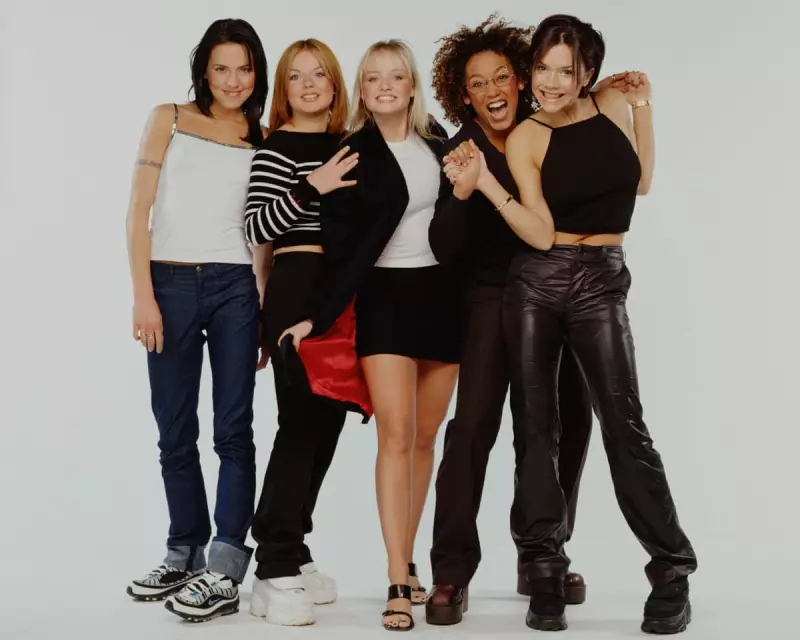
Nicknames occupy a unique space in social interactions, distinct from pet names shared privately between couples. When effective, a nickname can become so ingrained that it temporarily overshadows a person’s real name. Consider the iconic example of the Spice Girls: would their global conquest have been possible without the memorable monikers of Ginger, Scary, Sporty, Posh, and Baby? These labels not only defined their public personas but also cemented their place in pop culture history, demonstrating how nicknames can transcend mere labels to become powerful branding tools.
The Delicate Balance of Nickname Etiquette
However, the politics of nicknames are fraught with complexity, heavily dependent on timing and context. Bestowed by the right person at the perfect moment, a nickname can foster inclusion and warmth, strengthening relationships. Yet, if introduced too hastily, it may come across as overfamiliar or intrusive, potentially damaging bonds. The inspiration for nicknames varies widely, from name-based adaptations like Queen Elizabeth’s "Lilibet" to personality-driven tags such as David Bowie calling Kate Moss "Smasher." Circumstantial nicknames, like Catherine, Princess of Wales being known as "Squeak" due to school guinea pigs, add playful layers to personal stories.
Workplace Dangers and Legal Repercussions
In professional settings, nicknames require extreme caution. Research from Ivey Business School professor Zhe Zhang reveals that when managers assign nicknames to subordinates, employees often feel less powerful and respected, perceiving it as a control tactic without consent. Real-world cases illustrate the risks: a London lawyer faced fines after nicknaming colleagues "Mad Paul" and "Jabba the Hutt," while a jewellery salesman awarded compensation under The Equality Act 2010 after being called "Gramps" by a younger colleague. These incidents blur the line between harmless banter and workplace bullying, emphasising the need for sensitivity.
Guidelines for Nickname Use
As a general rule, it is safer to reserve nicknames for close friends and family, erring on the side of caution to avoid misunderstandings. While creative epithets like "Socket Man" for an electrician resembling Elton John might spark amusement, they should be shared judiciously. Ultimately, nicknames can enrich personal connections but must be handled with care to prevent emotional distress or legal issues. This story invites reflection on how we use language to shape identities and relationships in an increasingly nickname-aware society.




